
The overlap between hip-hop and competitive gaming stopped being a novelty some time ago. Artists own stakes in esports organisations. Games serve as one of the more effective discovery channels in music. The two audiences have merged so thoroughly that treating them as separate has become the strange position.
What makes the convergence interesting is that it was not engineered by anyone. Both cultures were built on the same instincts, and they found each other.
Same instincts, different rooms
Hip-hop began with people making something out of equipment that was not designed for it, in places without formal infrastructure, teaching each other by proximity. Reputation was earned in public and defended in public. Skill was the only credential that counted.
Competitive gaming developed the same way. No academies, no gatekeepers, no path except being visibly good in front of people who could judge. The ladder was open to anyone with access to a machine, and it was merciless.
Both cultures produced the same social forms as a result — crews rather than institutions, rivalries that ran for years, a deep suspicion of anyone who arrived without putting in the work. That the two eventually recognised each other is less surprising than the fact that it took as long as it did.
Games as a discovery engine
Placement in a widely played game reaches an audience that pays attention in a way radio listeners never did.
The mechanism is repetition inside an emotionally charged context. A player hears the same track across dozens of sessions, always attached to the specific feeling of playing. Music discovered that way attaches itself to memory unusually firmly, which is why players can name soundtracks from games they last touched fifteen years ago.
For artists without major label backing, this has become a genuinely viable route. A placement can reach millions of engaged listeners without radio, playlist positioning or touring — a channel that did not exist at all a generation ago.
The ownership move
The more substantial development is artists taking equity positions in esports organisations rather than simply appearing at their events.
The logic is sound from both directions. Musicians bring audience, cultural credibility and an understanding of how to build a brand around personalities. Organisations bring a young, engaged audience that traditional music marketing struggles to reach efficiently.
It also reflects something artists learned earlier than most industries: that the durable asset is the relationship with an audience, not any individual product. An organisation whose value rests on a roster is fragile. One built around figures people follow regardless of results is considerably less so — which is precisely the model the music industry has run for decades.
Streaming is the shared medium
The most consequential overlap is that both cultures now operate primarily through live streaming, and the format rewards the same thing in each: presence.
Artists stream sessions, play games with fans, and build relationships that no amount of conventional promotion produces. Competitive players do the same in reverse, with the music running throughout and the chat responding to it.
This has produced an audience that treats the two as one activity. The same viewer follows a producer and a professional player, and moves between the streams without registering a change of category.
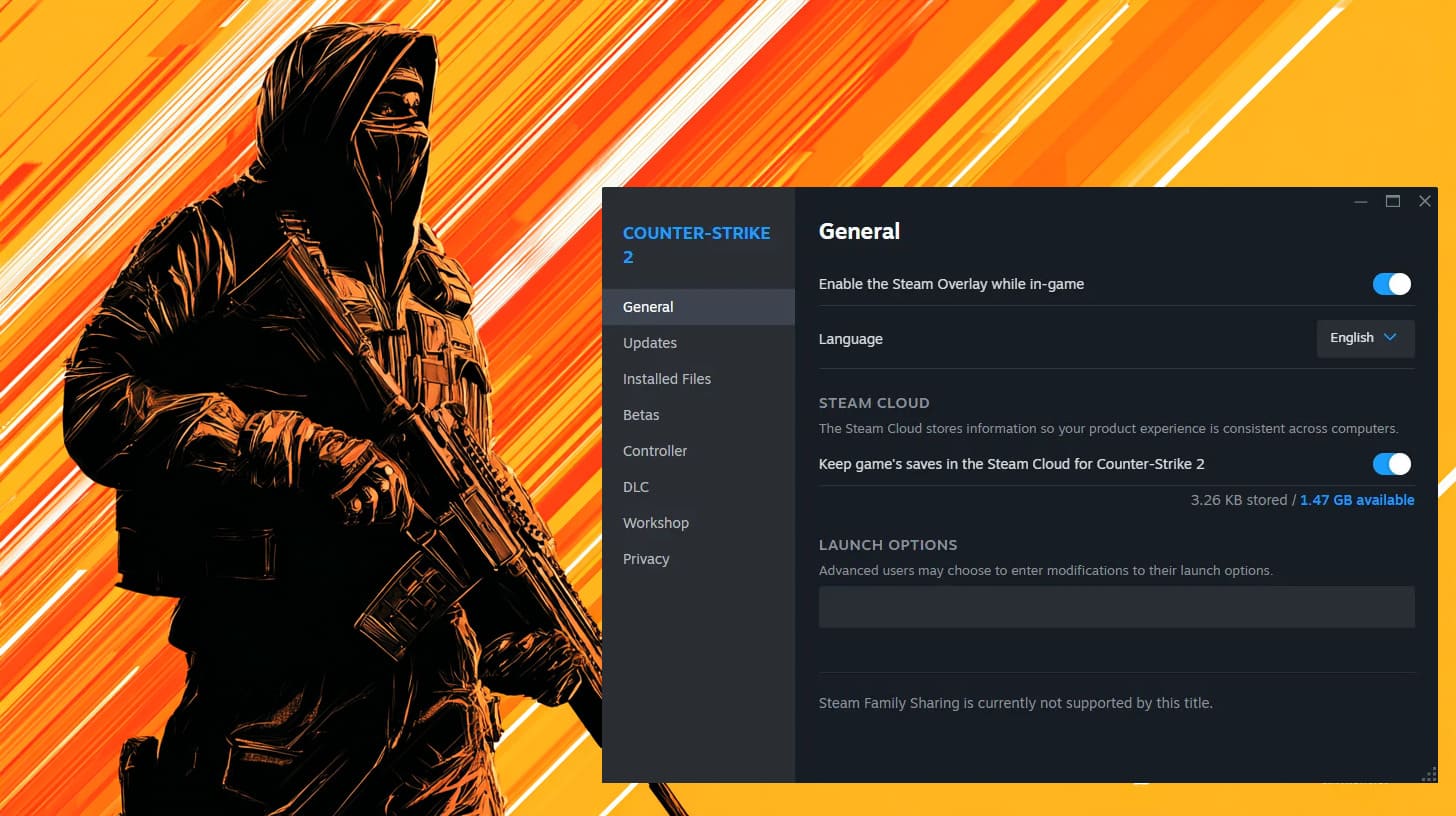
That audience is participatory in a way music audiences historically were not. They do not simply watch — they copy setups, adopt configurations and study what the people they follow are doing. Someone who watches a stream and wants their own game to feel as sharp can check this guide and be running a comparable configuration the same evening. The distance between admiring something and attempting it has collapsed almost entirely.
The aesthetic exchange
Visually the traffic runs both ways. Gaming borrowed from streetwear — the silhouettes, the drop model, the collaboration culture. Music borrowed the digital vocabulary, with virtual venues, in-game visual language and stage design that increasingly resembles a broadcast set.
Team apparel has become clothing people wear with no interest in the team, which is the clearest signal that a subculture has crossed over. It happened to football shirts, then to skate brands, and it has happened here.
What it suggests
The convergence is likely to continue because the underlying demographics have already merged. There is no longer a music audience and a separate gaming audience in any meaningful sense — there is one audience that does both, usually simultaneously, usually on the same screen.
Industries that understand that are building for it. The ones still treating gaming as a marketing channel to be occasionally activated are addressing a version of the audience that no longer exists.
