

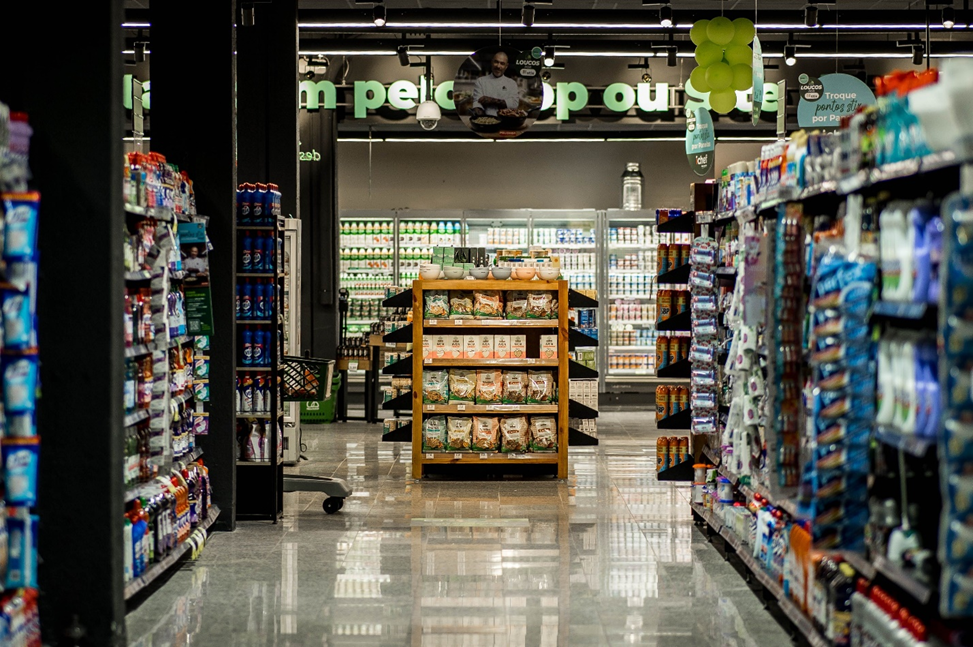
Impulse purchases account for a significant share of sales in many convenience stores. Whether customers stop in for fuel, a drink or a quick snack, strategic merchandising can encourage them to add one or two extra items before they reach the checkout.
While product selection and pricing play an important role, the way products are displayed often has an even greater influence on buying behaviour. Well-planned convenience store display shelves help retailers improve product visibility, create logical shopping journeys and maximise the value of every square metre of retail space.
Below are seven display shelf ideas that can help increase impulse purchases while creating a better shopping experience.
1. Position High-Margin Grab-and-Go Products at the Checkout
The checkout remains one of the most valuable locations for impulse merchandising. Customers naturally slow down while waiting to pay, giving them time to notice smaller products they may not have intended to purchase.
Popular checkout products include:
- Chocolate bars
- Soft drinks
- Energy drinks
- Chewing gum
- Phone chargers
- Batteries
- Lighters
- Mints
Keep these shelves well stocked and avoid overcrowding. A clean, organised display is far more effective than trying to fit every possible product into the space.
2. Create Seasonal and Promotional End Displays
End-of-aisle shelving attracts attention because customers can see it from multiple directions. Rather than filling these locations with everyday products, use them to highlight limited-time offers, seasonal items or promotional bundles.
Examples include:
- Summer drinks and ice products
- Winter coffee promotions
- Holiday confectionery
- Road trip essentials
- Multi-buy snack offers
Rotating these displays regularly also gives returning customers something new to discover.
3. Group Products That Customers Naturally Buy Together
Cross-merchandising makes purchasing easier by placing complementary products side by side.
Examples include:
- Chips beside soft drinks
- Coffee near pastries
- Windscreen washer fluid with cleaning accessories
- Energy drinks beside protein snacks
Instead of forcing customers to search different aisles, thoughtful grouping encourages additional purchases by presenting complete solutions.
4. Give Best Sellers Prime Eye-Level Placement
Eye-level shelving consistently receives the most customer attention. Products placed within a comfortable viewing range are more likely to be noticed and purchased than those positioned on the highest or lowest shelves.
Reserve these premium positions for:
- Fast-moving products
- Higher-margin items
- New product launches
- Promotional products
Less frequently purchased stock can occupy lower or upper shelves without significantly affecting sales.
5. Use Clear Shelf Signage and Pricing
Even well-positioned products can be overlooked if pricing or promotional messaging is unclear.
Simple shelf-edge communication helps customers make faster purchasing decisions by highlighting:
- Special offers
- Multi-buy discounts
- New arrivals
- Limited-time promotions
- Everyday low prices
Clear signage also reduces hesitation, particularly for customers making quick visits.
6. Refresh Feature Displays Regularly
Customers quickly become familiar with displays they see every day. Rotating featured products every week or two helps maintain interest and encourages repeat customers to notice something different during each visit.
Small changes can include:
- Introducing new products
- Rotating seasonal stock
- Changing promotional themes
- Rearranging complementary product combinations
Even minor updates can improve customer engagement without requiring a complete store redesign.
7. Design Shelving That Supports Fast Restocking
Impulse purchases depend on products actually being available. Empty shelves not only reduce sales opportunities but can also create the impression that products are unpopular or poorly managed.
Choose shelving layouts that allow staff to:
- Replenish stock quickly
- Keep displays consistently full
- Access products easily
- Maintain a clean presentation throughout the day
Operational efficiency behind the scenes often translates directly into a better customer experience.
Common Display Mistakes That Reduce Impulse Sales
Even quality products can underperform when displays are poorly executed. Some of the most common merchandising mistakes include:
- Overcrowding shelves with too many products
- Placing high-margin items in low-visibility locations
- Mixing unrelated product categories
- Leaving gaps from poor stock replenishment
- Using inconsistent or difficult-to-read price labels
- Ignoring natural customer traffic flow
Addressing these issues often delivers noticeable improvements without increasing inventory or floor space.
Why Shelving Design Matters
According to Neil Webster, CEO of Mills Shelving, convenience store shelving should be designed around how customers actually shop, not simply how products fit on a shelf. Retailers often focus on stocking more products, but well-planned layouts improve visibility, simplify replenishment and make purchasing decisions easier. Over time, these practical improvements can contribute to stronger sales, smoother store operations and a better overall shopping experience.
Mills Shelving has worked with Australian retailers across a wide range of convenience stores and service stations, and one consistent observation is that well-organised shelving improves both merchandising flexibility and operational efficiency. Rather than constantly redesigning stores, retailers often achieve better results by optimising product placement, customer flow and display presentation using adaptable shelving systems.
Industry organisations such as the Australian Association of Convenience Stores (AACS) continue to highlight the importance of improving customer experience and increasing basket size, making effective merchandising an ongoing priority for convenience retailers across Australia.
Final Thoughts
Increasing impulse purchases rarely comes down to a single display or promotion. Instead, it’s the result of dozens of small merchandising decisions that make products easier to see, easier to access and more appealing to buy.
By positioning products strategically, keeping displays fresh and maintaining organised shelving throughout the store, convenience retailers can improve the shopping experience while encouraging customers to add more items to every purchase.
