

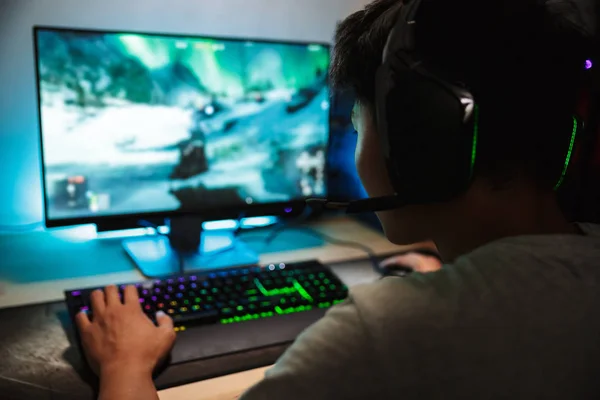
Have you ever looked at an older video game and noticed how simple its graphics seem compared to today’s colourful digital worlds? What once involved basic shapes, fixed backgrounds, and limited character movements has gradually developed into interactive entertainment filled with animation, detailed environments, and creative visual effects.
Modern online games use moving characters, changing scenes, lighting effects, and imaginative artwork to make gameplay more expressive. From casual puzzle games to multiplayer adventures and online slots, visual design has become an important part of the experience.
But impressive graphics do not automatically make a game better. Understanding how visual design has changed can help players appreciate the creativity while recognising what makes a game enjoyable, accessible, and easy to understand.
How Early Digital Games Used Simple Visual Designs
Early digital games worked with limited processing power, memory, and display technology. Developers often relied on basic shapes, simple colours, and repeating backgrounds to communicate gameplay information.
Despite these limitations, many games managed to create recognisable characters and entertaining challenges.
Why Simple Graphics Were Effective
Classic arcade-style games often used a small number of objects moving across a fixed screen.
Players could quickly identify their character, obstacles, and objectives without complicated instructions.
Traditional slot machines followed a similarly straightforward visual approach, displaying familiar symbols on mechanical reels.
These early designs demonstrate an important lesson: clear visuals can be more useful than complicated artwork.
Moving Backgrounds Changed Digital Environments
As technology improved, developers gained more freedom to create environments that changed during gameplay.
Instead of displaying a single background, games could introduce scrolling scenery, animated weather, moving objects, and changing lighting.
These additions made digital spaces feel more active.
How Animated Environments Support Gameplay
Imagine a platform game where the background changes as a character moves through different locations.
A forest might gradually become a mountain setting, with different colours and environmental details helping players recognise their progress.
Modern online hoki22 games sometimes use similar visual techniques. A background may change when a bonus round begins, helping players identify a new gameplay stage.
However, attractive environments should not make important controls or information difficult to see.
Character Animation Made Games More Expressive
Characters are central to many online games, and animation has changed how they communicate with players.
Early characters often had limited movements. Modern designs can include facial expressions, gestures, and detailed reactions to gameplay events.
Small Movements Create Personality
Consider a casual puzzle game featuring a cartoon animal.
Instead of remaining still, the character might smile after a completed challenge or display a surprised expression when something unexpected happens.
These reactions can make ordinary gameplay feel more entertaining.
However, character animations should communicate useful information rather than distract players from the main activity.
In real-money gaming, dramatic reactions should never be interpreted as predictions of winning results.
Visual Effects Add Variety to Familiar Mechanics
Many online games still rely on relatively simple mechanics, such as matching objects, collecting items, or completing challenges.
Visual effects can make these familiar activities feel different without changing their basic rules.
How Modern Games Use Visual Effects
Common examples include:
- Particle effects: Sparks, bubbles, or glowing objects appearing during particular events.
- Symbol transformations: Objects changing appearance when specific conditions are met.
- Scene transitions: Animated movements connecting different gameplay stages.
- Lighting changes: Colours and shadows adjusting to match the environment.
- Character reactions: Animated figures responding to player actions.
These effects are most useful when they explain what has happened.
For example, cascading reels in some online slots use animations to show winning symbols disappearing and new symbols taking their positions.
However, additional payouts are not guaranteed simply because the animation continues.
Interactive Design Makes Digital Worlds More Engaging
Visual improvements are only part of online gaming’s development. Modern games also allow players to interact with environments in different ways.
Players may move objects, select different paths, solve puzzles, or activate special features through on-screen controls.
Good interactive design connects these actions with clear visual feedback.
Why Interaction Needs Clear Instructions
Imagine a game where players must drag objects into particular positions.
If the objects move smoothly and the game clearly explains successful actions, the experience becomes easier to understand.
Confusing controls can make even beautiful games frustrating.
Beginners should look for readable instructions, accessible menus, and responsive controls before investing significant time or money.
Mobile Gaming Has Influenced Visual Design
Smartphones have changed how developers approach graphics and interface design.
Games must often work on smaller screens while maintaining readable information and comfortable controls.
This encourages developers to balance detailed artwork with practical usability.
What Makes Mobile Game Design Effective?
Useful mobile design features include clearly labelled buttons, readable text, visible progress information, and straightforward navigation.
Players should also consider whether animations affect battery usage, device performance, or screen responsiveness.
A visually detailed game may be less enjoyable if it frequently freezes or makes important controls difficult to access.
Understanding the Difference Between Visual Entertainment and Financial Risk
Not every online game involves monetary wagering. Casual puzzle games and skill-based adventures operate differently from real-money gambling games.
This distinction matters because colourful graphics can make different gaming experiences appear equally harmless.
What Real-Money Players Should Understand
Online slots generally use random number generator systems to determine outcomes.
Return to Player, or RTP, describes theoretical long-term returns across many plays. Volatility describes the general pattern of payout frequency and size.
Neither measure guarantees individual results.
Players should also understand that animations, repeated losses, and near-winning combinations cannot reliably predict future outcomes in independent-spin games.
Keeping Modern Gaming Enjoyable and Balanced
Visually detailed games can make time pass quickly, particularly when animations and interactive features encourage continued attention.
Setting reasonable playing periods and taking breaks can help maintain balance.
For real-money games, players should establish spending limits, avoid chasing losses, and confirm that gambling is legal in their location.
It is also sensible to review account security, privacy information, and payment conditions before using unfamiliar platforms.
Online gaming should remain a form of entertainment, not a dependable way to earn income.
Conclusion
Online gaming has developed from simple static screens into colourful digital environments filled with animation, interactive characters, and changing visual effects.
These improvements have given developers more freedom to experiment with storytelling, gameplay presentation, and creative themes.
However, the strongest game designs still depend on clear rules, comfortable controls, and understandable information. By recognising both the creative possibilities and practical limitations of modern gaming, players can appreciate its visual development while making responsible entertainment choices.
