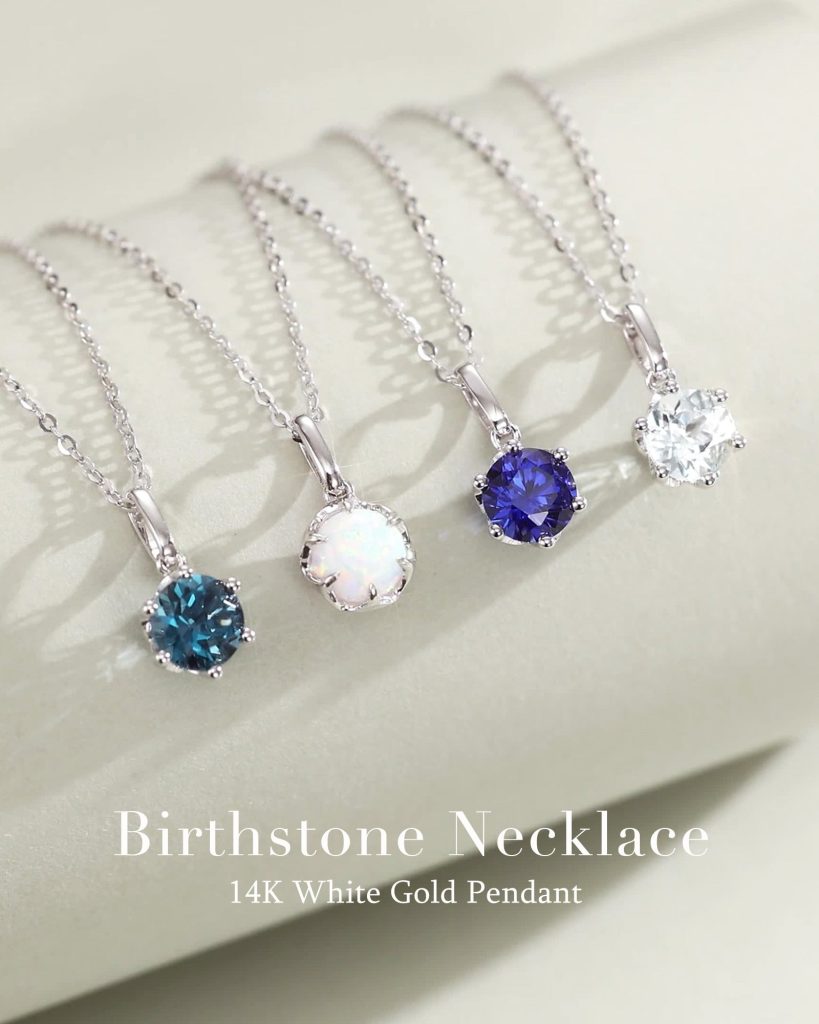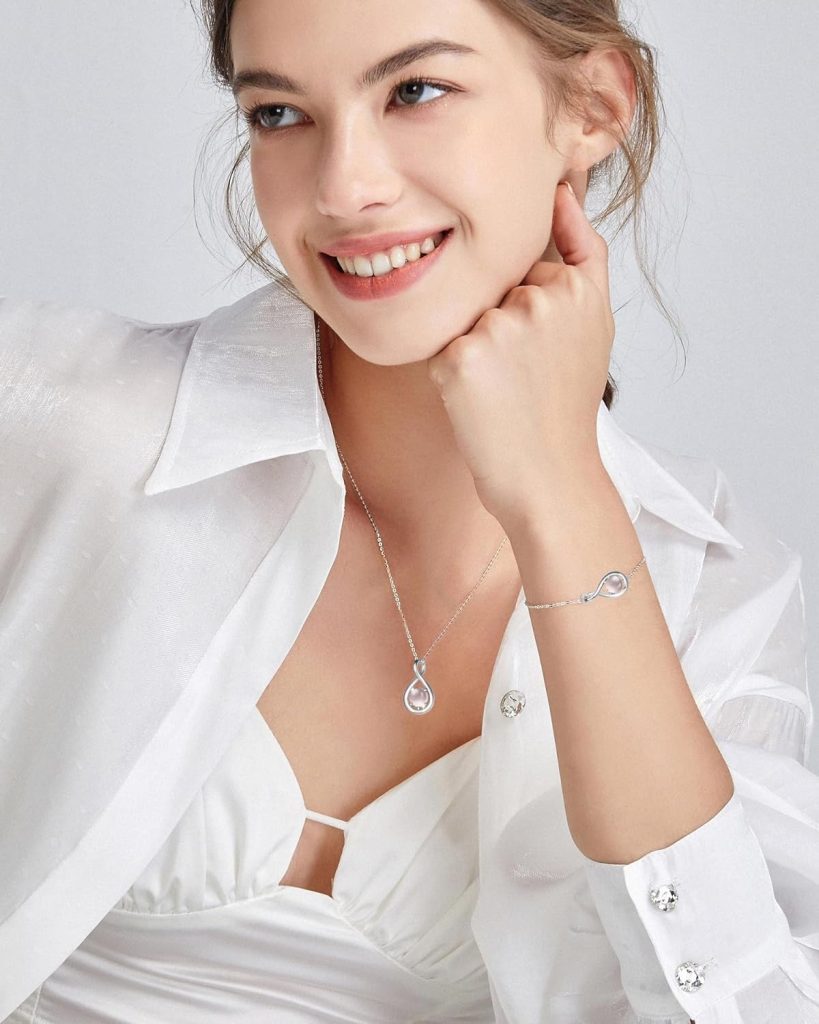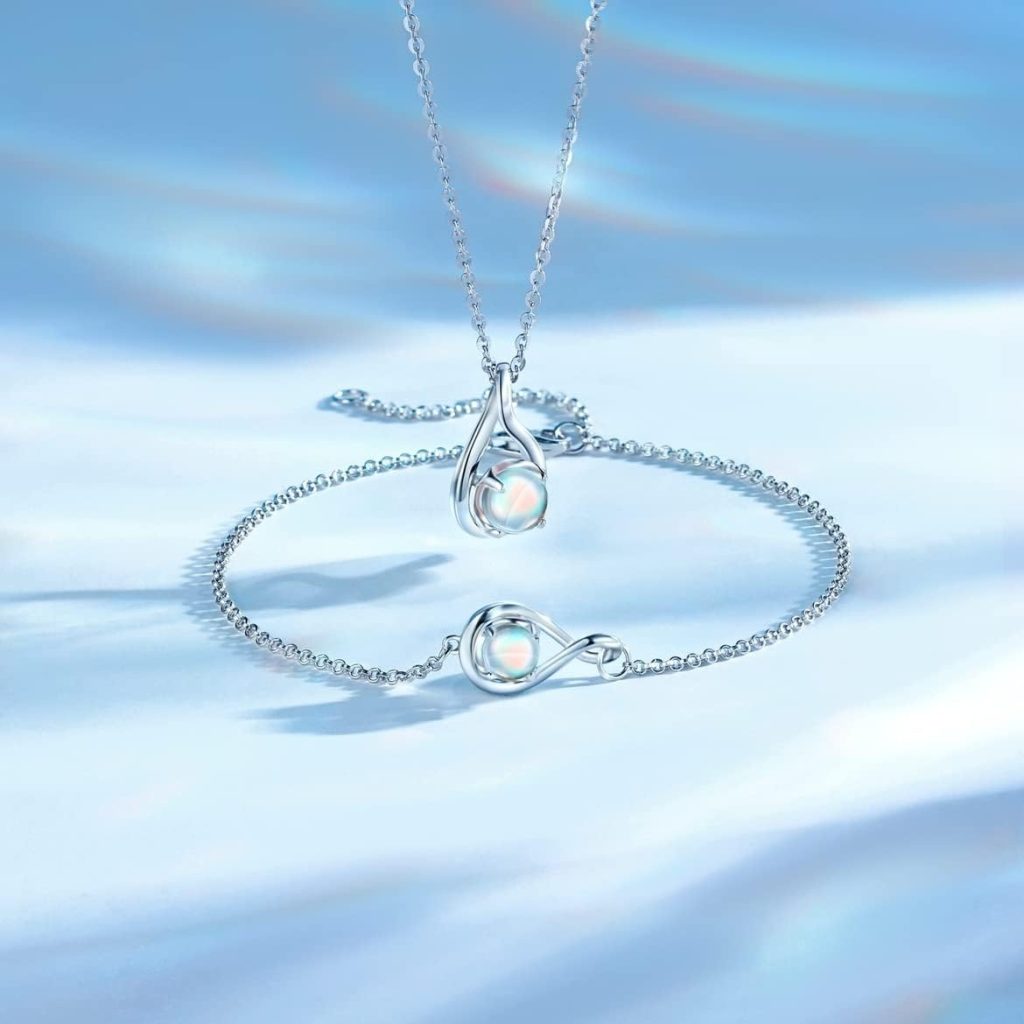

Behind every birthstone sits a piece of geology that is stranger and older than most catalog descriptions let on. A ruby forms under intense heat and pressure over millions of years. An opal traps microscopic silica spheres that break light into shifting colors. A pearl grows one thin layer at a time inside a living animal. When you look at a birthstone this way, the piece stops feeling ornamental and starts to feel like a small physical record of the planet. This article takes a science-forward look at the twelve official birthstones. Not the mystical claims, but the actual reasons they look and behave the way they do, and how those properties should shape the way you choose, wear, and care for your piece. If you have ever wondered why your stone scratches easily or fades in sunlight, this is where the answers usually live.
What Makes a Gemstone in the First Place
A gemstone is any mineral or organic material that combines beauty, rarity, and durability enough to be cut and worn. That combination is uncommon. Most minerals fail one of the three tests. They are either too dull, too plentiful, or too soft. The birthstone list captures a small subset that clears all three bars, and each stone earns its place through a specific chemical or structural quirk. Corundum, the mineral that produces both ruby and sapphire, is one of the hardest gems in existence. Beryl, which gives us emerald and aquamarine, forms hexagonal crystals that split light in beautiful ways. Silica, the building block of opal, arranges itself into a lattice that scatters color.
Understanding this baseline helps a shopper make better choices. When you pick birthstone jewelry, you are not only choosing a color. You are choosing a mineral with its own behavior. Some gems love daily wear. Others need to sit in a soft pouch when you are not wearing them. The list below walks through the twelve months from the science side, so the practical implications become obvious.
Hardness, Toughness, and What They Mean for Daily Wear
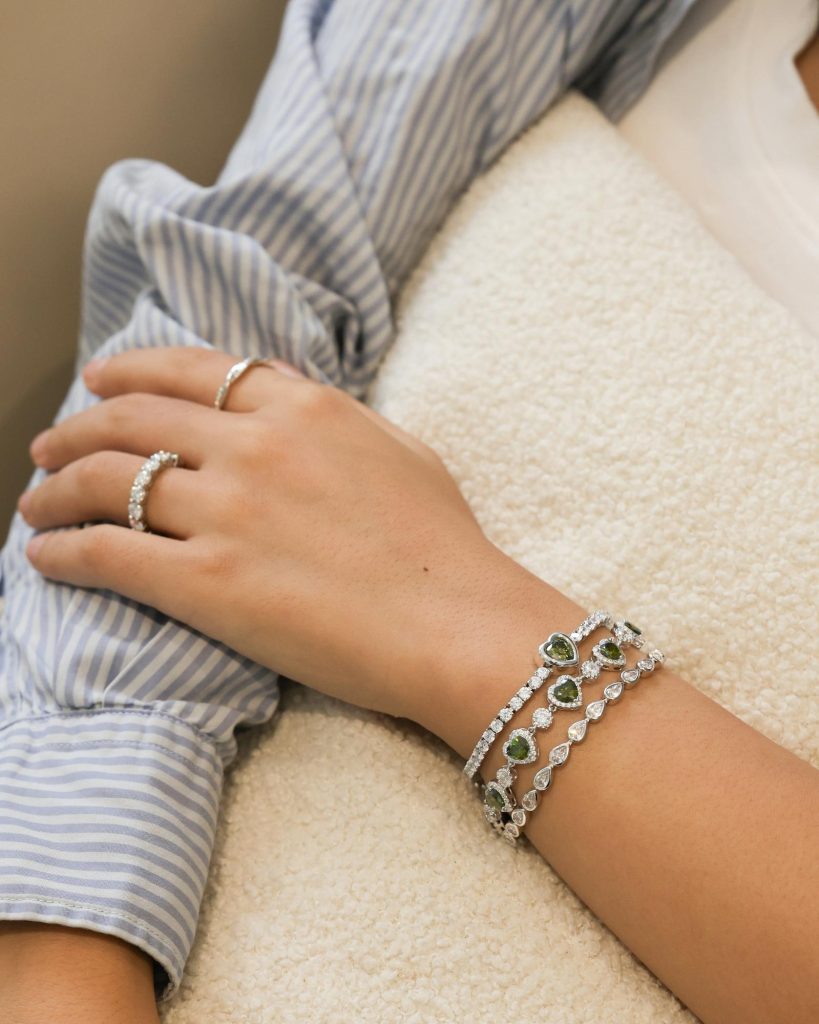
Gem hardness is measured on the Mohs scale, a ranking that runs from one to ten. Diamond sits at ten. Corundum, which includes ruby and sapphire, sits at nine. Topaz is an eight. Quartz, which includes amethyst and citrine, is a seven. Opal drops to around six, and pearl is closer to three. Hardness measures resistance to scratches, and it matters more than most buyers realize because the dust in ordinary air contains particles hard enough to scratch anything below a seven over time.
The Hard Gems That Suit Rings
Rings take more punishment than any other piece of jewelry, so ring-worthy stones need to sit high on the Mohs scale. Diamond, sapphire, and ruby are the classic choices for this reason. April, September, and July babies have an easy path when they want a ring they can wear daily. Topaz is also acceptable for rings, though a protective bezel setting helps because topaz has weaker cleavage planes that can chip on impact.
The Softer Gems That Belong on Pendants
Softer stones do not belong in high-contact rings. Emerald, at around seven and a half on the Mohs scale, is technically hard but famously brittle because of natural inclusions. Opal, pearl, and amethyst are all vulnerable to daily ring wear. This is not a reason to skip them. It is a reason to wear them in formats that protect them. Pendants and earrings almost never take direct impact, which lets softer stones live long lives. October, June, and February wearers get some of the most beautiful colors on the list, and their stones simply prefer to live above the collarbone.
Why Each Stone Shows the Color It Does
Color in gemstones almost always comes from trace impurities, not the base mineral itself. Ruby and sapphire are both corundum, and the difference between them is a few atoms of chromium versus iron and titanium. That is why the same mineral gives us a bright red gem for July and a deep blue gem for September. Emerald owes its green to chromium or vanadium inside beryl, while aquamarine owes its blue to iron in the same mineral family. Amethyst is purple because of iron atoms and natural radiation acting inside quartz. When you heat amethyst carefully, those same atoms shift and produce citrine, which is why the two stones are close cousins.
Opal is the outlier on the color list. Its shifting colors do not come from impurities at all. Silica spheres inside the stone are arranged in a lattice, and light bouncing through that lattice breaks into a rainbow. This is why opals seem to have their own weather. Move them under a lamp and the color pattern shifts because the angle of the light through the silica lattice has changed. It is one of the more physically interesting gems on the birthstone list, and it explains why every opal is unique. FANCI, like other curated jewelers, tends to photograph opals from multiple angles for this reason. A single photograph rarely captures the stone honestly.
How Formation Explains Care
The way a stone forms tells you almost everything about how it should be cared for. Corundum, diamond, and beryl form deep in the earth under enormous heat and pressure. They are chemically stable and shrug off almost anything except direct impact. Warm soapy water and a soft brush handle them well, and they can tolerate an ultrasonic cleaner in most cases.
Organic and hydrated gems are more delicate. Pearls are made of aragonite and conchiolin, both of which are vulnerable to acid, alcohol, and even the acidity of skin over time. They should be wiped after wearing and stored in a soft, breathable pouch. Opals contain water, and dry heat can crack them. This is why opals should not be stored in dry safes for long periods. Amber, which sometimes appears on alternate lists, is fossilized tree resin and can scratch or dissolve in strong solvents. Reading a stone’s formation story is a shortcut to understanding what it can and cannot handle in daily life.
Setting Choices That Match the Stone’s Physics
Once you know the science, setting choices stop feeling random. A soft stone like an opal or pearl benefits from a bezel setting, which wraps the stone in a protective metal collar. Harder gems like sapphire and diamond can wear a prong setting comfortably, which lets more light in but leaves more of the stone exposed. Emerald, brittle even though it is technically hard, prefers a protective setting despite its rank on the Mohs scale.
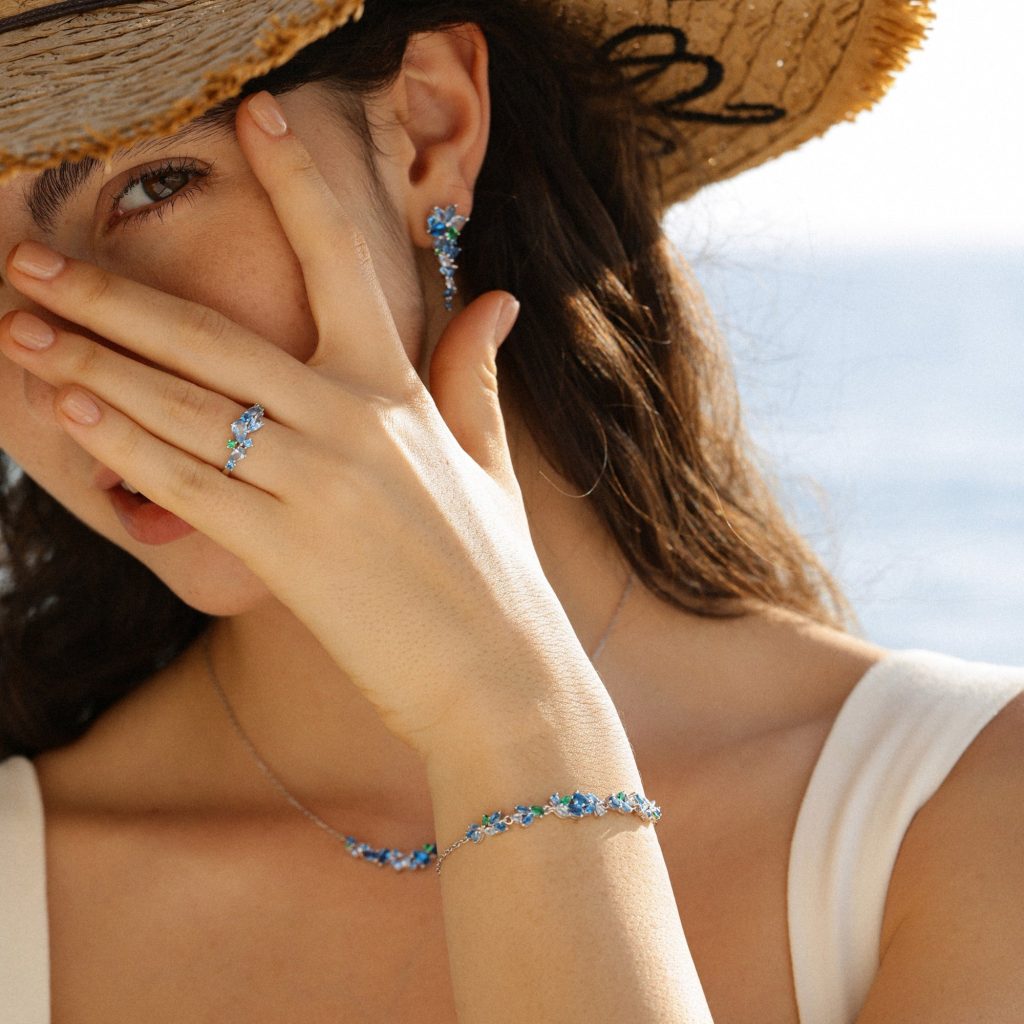
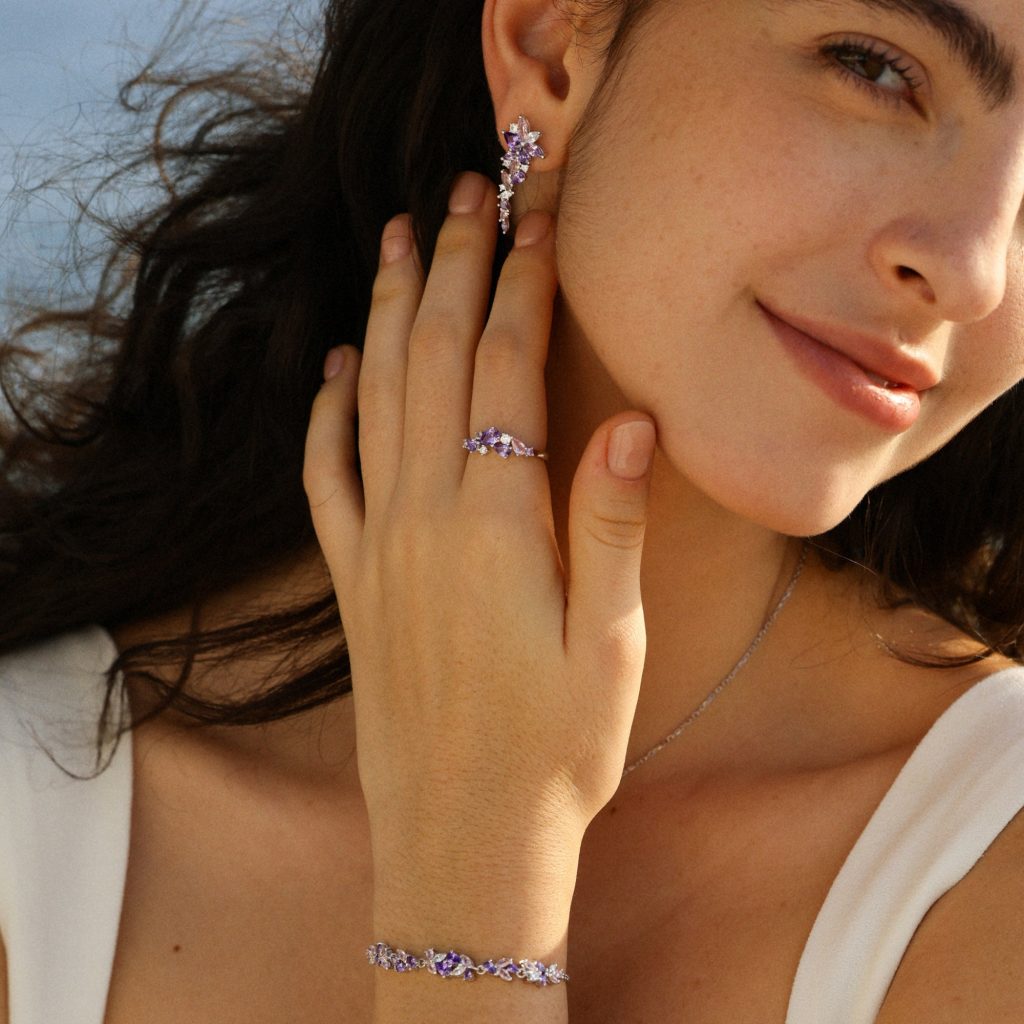
Metal choice matters too, though for different reasons. Yellow gold is a warm background that flatters warm stones like ruby, citrine, and garnet. White gold and sterling silver read cool and let blue and violet stones like sapphire, aquamarine, and amethyst look their sharpest. Rose gold flatters pink and peach tones such as morganite and certain tourmalines. When the setting physics matches the stone, the piece is not only prettier. It also lasts longer, because the stone is set in a way that respects how it behaves.
Meaning Backed by Material
Birthstones are usually sold as symbols, and that framing is not wrong. What often gets left out is that each stone is also a piece of the physical world with real properties that shape how it should be worn and cared for. Once you can see both sides at once, choosing a piece becomes easier and the piece itself becomes more interesting. A ruby is a promise, but it is also nine on the Mohs scale, which is why a ruby ring can survive decades of daily wear. An opal is a mystery, but it is also a lattice of silica spheres bending light, which is why every opal is uniquely yours and why it prefers to live on a chain rather than a knuckle. Pairing the symbolic and the scientific is the honest way to think about a birthstone. It gives the piece more weight than a birthday and more longevity than a trend, which is exactly what a stone tied to your birth month should offer.