

An X-ray tube may meet every listed electrical specification and still present challenges when incorporated into a finished machine. The difficulty often appears when engineers move from individual components to a complete product, where space, exposure requirements, control systems, and production constraints must work together. Selecting a high voltage power supply for x-ray tube applications is therefore part of a wider design exercise that influences how effectively an OEM can turn an X-ray source into a functioning piece of equipment.
The source must also fit the machine’s intended workflow, whether it is designed for industrial inspection, security screening, or analytical use. Its physical dimensions, connection points, and operating characteristics can affect the placement of other components. Engineers must account for these details before finalising the equipment layout. Early coordination between component developers and OEM teams can make the transition from prototype to production more manageable.
The Prototype Reveals Hidden Design Gaps
A component that performs correctly on a test bench may behave differently inside a finished machine. The surrounding enclosure, cable arrangement, controller, and cooling system introduce conditions that are not always represented during initial component evaluation.
This becomes noticeable when the first prototype is assembled. Engineers may discover that a connector is difficult to access, cables interfere with other components, or the available installation space does not accommodate the intended arrangement.
Such discoveries can delay development if they are addressed too late. Reviewing the complete assembly early helps teams identify practical limitations before they become expensive design changes.
Space Constraints Influence Source Architecture
Equipment manufacturers rarely have unlimited room for electrical components. Portable inspection devices, compact scanners, and specialised analytical instruments often require carefully planned internal layouts.
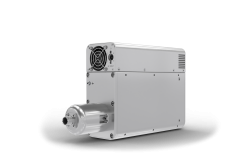
The choice between an integrated X-ray source and a configuration using separate components can influence the overall machine architecture. An integrated unit may bring the tube, high-voltage supply, and associated electronics together, while a separate arrangement can provide different installation possibilities. Selecting a suitable high voltage generator solution can help manufacturers align the electrical configuration with their equipment design.
Neither approach is automatically suitable for every application. Engineers must consider available space, service access, cable routing, cooling requirements, and the possibility of future product modifications before deciding which arrangement works best.
Exposure Patterns Change The Design Priorities
Two machines using similar X-ray tubes may have very different operating demands. One may capture occasional images in a laboratory, while another may inspect hundreds of products during a production shift.
The frequency and duration of exposures influence the demands placed on the electrical system. Repeated operation can make temperature management, output consistency, and system response more important during product development.
Manufacturers should therefore describe the actual working cycle rather than relying only on maximum voltage or current ratings. This gives component developers a clearer picture of the conditions the equipment must handle.
Cooling Becomes A Packaging Decision
Heat management is not simply a matter of selecting a cooling method. The physical arrangement of the source, enclosure, ventilation openings, and nearby components can influence how effectively heat is removed. These factors should also be considered when selecting a high voltage power supply for x-ray tube applications.
For example, a compact machine may restrict airflow around the X-ray assembly. Placing other heat-producing electronics nearby can create additional thermal challenges that need to be considered during layout development.
Engineers should evaluate the complete thermal environment rather than examining the source in isolation. This helps them determine whether the proposed arrangement can support the intended operating cycle without creating avoidable temperature-related problems.
Production Consistency Matters After Approval
A successful prototype represents only one stage of product development. Once a design enters production, manufacturers must ensure that the same configuration can be assembled repeatedly across multiple units.
Differences in wiring, component positioning, connection quality, and assembly procedures can introduce variations between machines. These issues may become more difficult to manage when production volumes increase.
Standardised documentation and repeatable assembly procedures help reduce such differences. OEMs should also consider whether component availability, manufacturing support, and configuration control can accommodate their expected production requirements.
Service Access Should Influence The Layout
Maintenance requirements are often overlooked when teams focus heavily on fitting components into a compact enclosure. However, a machine that is difficult to inspect or service can create unnecessary delays after installation.
Engineers should consider how technicians will reach connectors, inspect cables, replace components, and perform routine checks. These decisions can influence the position of access panels, internal mounting arrangements, and the separation between electrical assemblies.
Serviceability is particularly relevant for equipment installed at customer facilities. A practical internal layout can make troubleshooting more organised and help reduce the effort involved in returning equipment to normal operation.
Customisation Requires Clear Technical Priorities
OEM projects often involve requirements that differ from standard equipment configurations. Manufacturers may need a particular output range, a specific physical arrangement, or compatibility with an existing control architecture.
A suitable high voltage generator solution should therefore be evaluated against the complete application rather than selected solely because its headline specifications appear appropriate. Engineers need to communicate the tube requirements, installation conditions, operating cycle, and integration expectations.
Customisation is most useful when it addresses a defined technical requirement. Clear priorities help component developers understand which features are essential and which aspects of the design can remain flexible.
Conclusion
Successful X-ray tube integration depends on decisions that extend beyond electrical compatibility. Physical layout, operating cycles, controller interfaces, cooling arrangements, production consistency, and service access all influence the finished equipment. Addressing these considerations early can help OEMs avoid unnecessary redesign and develop more practical systems. VJ X-Ray provides integrated X-ray sources and high-voltage generators for manufacturers seeking configurations suited to specialised equipment applications. The company serves OEMs across industries such as security inspection, food safety, industrial testing, medical imaging, and analytical instrumentation. With product development and manufacturing capabilities in the United States and China, VJ X-Ray supports equipment manufacturers with application-focused solutions and technical expertise.
