

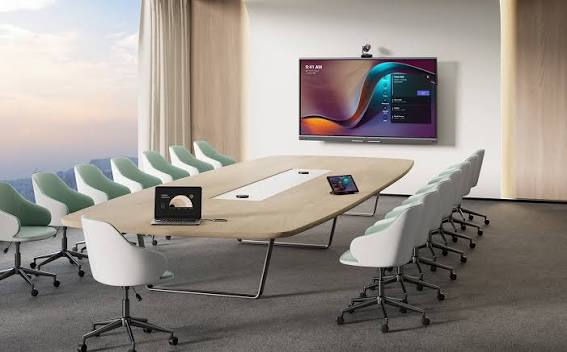
Modern conference rooms require high-quality displays, reliable audio systems, HD cameras, and intuitive control panels to support effective collaboration. Investing in the right audio video solutions ensures seamless communication, stronger remote participation, and a more professional meeting environment.
Meetings have changed. What once required everyone in the same room now spans time zones, devices, and locations—and the pressure to communicate clearly has never been greater. A poorly equipped conference room doesn’t just frustrate attendees; it actively costs businesses time, focus, and credibility.
That’s why getting your audio video solutions right is one of the smartest investments a modern business can make.
What Display Technology Works Best for Modern Conference Rooms?
Interactive Displays vs. Standard Monitors
The right display does more than show slides. Interactive displays allow presenters to annotate, collaborate in real time, and engage participants directly on screen. Standard monitors, while cost-effective, are better suited to smaller rooms where passive viewing is sufficient.
For most modern conference rooms, interactive displays offer a clear advantage—especially when hybrid meetings are the norm.
Optimal Sizing and Placement
Display size should match room depth. A general guideline: the screen diagonal (in inches) should be roughly half the viewing distance (in inches). Mounting height matters too—eye-level placement reduces neck strain and keeps the focus where it belongs.
What Audio Equipment Do Conference Rooms Actually Need?
Microphones for Clear Voice Capture
Nothing derails a meeting faster than poor audio. Ceiling microphones work well in larger rooms, while tabletop or boundary microphones suit smaller setups. The goal is consistent voice pickup across the entire room, without feedback or echo.
Speakers and Acoustic Treatment
Clear playback is just as important as clear capture. Ceiling-mounted or in-wall speakers distribute sound evenly, while acoustic panels reduce reverb—a common problem in rooms with hard surfaces like glass and concrete. Acoustic treatment is often overlooked, but it makes a significant difference in how professional your meetings sound.
How Do High-Definition Cameras Improve Remote Participation?
A low-resolution camera signals a lack of preparation. HD cameras—particularly those with auto-framing and wide-angle lenses—ensure remote participants can see who’s speaking without manual adjustments. When paired with integrated video conferencing platforms, they create a seamless experience for both in-room and remote attendees.
The right camera setup removes the “us vs. them” dynamic that often separates in-person and remote participants, making collaboration feel genuinely equal.
Why Do Control Systems Matter in a Conference Room Setup?
Centralized Control Panels
A room full of great equipment means little if no one knows how to use it. Centralized control panels consolidate display, audio, lighting, and camera management into a single interface. When meetings start on time and technology works without a tech support call, the entire team benefits.
Wireless Connectivity and Presentation Tools
Cables are a friction point. Wireless presentation tools allow anyone in the room to share their screen instantly—no adapters, no delays. This is particularly valuable in fast-moving meetings where multiple people need to present.
What Are the Real Business Benefits of Modern Audio Video Solutions?
Enhanced collaboration and productivity — When technology works reliably, teams spend less time troubleshooting and more time solving real problems. Well-integrated audio video solutions reduce meeting setup time and keep discussions on track.
Improved remote participation — Hybrid work is here to stay. Conference rooms equipped with quality AV technology ensure remote participants feel included, heard, and visible—not like an afterthought on a small screen in the corner.
Professional image and client impression — First impressions form quickly. A well-equipped meeting room signals that your organization is organized, forward-thinking, and serious about communication. That impression matters—whether the meeting is internal or client-facing.
Investing in the Future of Your Conference Room
A conference room is only as effective as the technology inside it. Outdated equipment creates friction; modern audio video solutions remove it.
The good news is that upgrading doesn’t have to mean replacing everything at once. Start with the components that cause the most friction—often audio—and build from there. Prioritize systems that integrate well with your existing platforms and are simple enough for anyone to operate without training.
The businesses that invest in their meeting spaces today are the ones that communicate more clearly, collaborate more effectively, and present more professionally tomorrow. Your conference room is one of the most visible reflections of how your organization works—make sure it represents you well.
