

Carat weight is one of the first details people ask about when discussing a diamond. Buyers often use it to compare stones, sellers use it to estimate expectations, and appraisers use it as one of the first measurable points in a valuation. Yet carat weight can also create confusion because it is easy to treat it as the main reason a diamond is expensive or valuable.
In reality, carat weight has a strong influence on price, but it does not work alone. A larger diamond is generally rarer than a smaller one, which is why price often rises as carat weight increases. However, the final value of a diamond also depends on cut, color, clarity, certification, condition, shape, and market demand. This is why two diamonds with the same carat weight can be priced very differently.
For anyone planning to buy a diamond or sell one, understanding the relationship between carat weight and price helps create more realistic expectations. It allows buyers to choose with greater confidence and helps sellers understand why an appraisal may focus on more than just the number printed on a certificate.
Why Diamond Prices Rise Sharply at Certain Carat Points
Diamond pricing does not increase in a perfectly straight line. A one-carat diamond is not simply twice the price of a half-carat diamond, and a two-carat diamond is not just double the price of a one-carat stone. Larger diamonds are rarer in nature, so the price per carat usually increases as the stone becomes heavier.
Certain carat weights also carry special importance in the market. Sizes such as 0.50 carat, 1.00 carat, 1.50 carats, and 2.00 carats are popular because buyers recognize them easily. These round-number milestones often create stronger demand, especially for engagement rings and fine jewelry. A diamond that reaches one full carat may command a noticeably higher price than a diamond just below that weight, even if the visual difference is small.
This is why a 0.95-carat diamond and a 1.00-carat diamond may appear very similar to the eye but differ significantly in price. The one-carat mark carries psychological and market value. Buyers often feel that a full carat sounds more complete, while sellers may expect the stone to be treated as more desirable.
However, price jumps at carat milestones should be considered carefully. A slightly lighter diamond with excellent cut and strong visual spread may offer better overall beauty than a heavier stone that reaches a popular number but lacks balance. Carat weight may open the pricing conversation, but quality determines whether that price feels justified.
Carat Weight in the Buying Decision
For buyers, carat weight often begins as an emotional preference. Many people imagine a certain size before they ever compare certificates or view stones in person. They may want a one-carat diamond because it sounds classic, or a larger stone because they want a stronger presence on the hand. There is nothing wrong with having a target size, but carat should not be treated as the only measure of satisfaction.
A buyer who focuses only on carat weight may pay more for size while sacrificing beauty. Cut quality can affect brilliance, fire, and how lively the diamond appears. Color can influence how bright or warm the stone looks. Clarity can affect how clean the diamond appears to the eye. These factors can change the experience of wearing the diamond every day.
This is why experienced jewelry buyers often compare diamonds in person rather than relying only on weight. A well-cut 0.90-carat diamond may look almost as impressive as a one-carat diamond, especially if it has strong proportions and good light performance. In some cases, buying slightly below a popular weight point allows the buyer to choose better cut, color, or clarity within the same budget.
A thoughtful purchase is not always about choosing the highest carat number. It is about finding a diamond where weight, beauty, quality, and price feel balanced.
Carat Weight in the Selling and Appraisal Process
For sellers, carat weight is important because it helps establish the basic category of the diamond. An appraiser will usually begin by identifying the weight, then compare the stone with similar diamonds in the current market. A certified diamond with clear grading information is easier to evaluate because its carat weight and quality details can be checked more confidently.
Still, sellers should not assume that carat weight alone determines the offer they receive. A diamond’s resale value may differ from its original retail price because retail pricing includes design, brand positioning, store margin, and other costs beyond the stone itself. When a diamond is resold, the evaluation focuses more directly on the diamond’s actual qualities and market demand.
This is where many sellers are surprised. A larger diamond may not always receive the price they expect if it has lower color, visible inclusions, weak cut quality, or limited documentation. On the other hand, a smaller diamond with strong grading and desirable appearance may be easier to evaluate positively.
Before selling, it is useful to understand the relationship between carat weight and diamond price factors so that the appraisal process feels clearer and less uncertain. Carat gives the stone its weight category, but the final value depends on how that weight is supported by the other qualities of the diamond.
Why Same-Carat Diamonds Can Have Different Prices
One of the most important lessons in diamond valuation is that same-carat diamonds are not automatically equal in value. Two diamonds may both weigh one carat, yet one may be priced much higher because it has better cut, higher color, cleaner clarity, or a respected certificate. Another may be less expensive because it has visible imperfections, poor proportions, or weaker demand in the market.
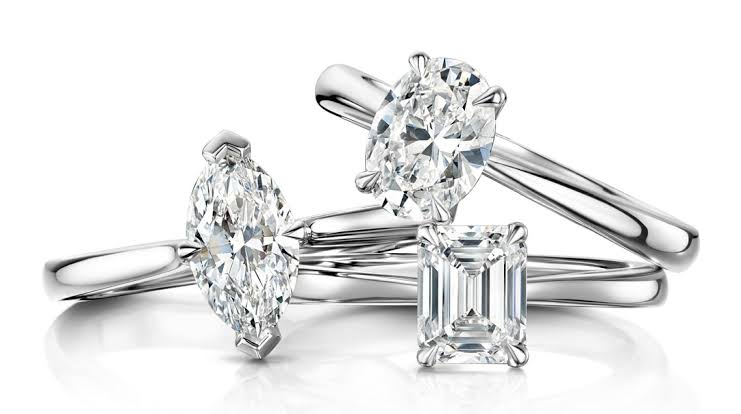
Shape can also affect pricing. Round brilliant diamonds are often priced differently from fancy shapes such as oval, pear, cushion, or emerald cuts. Part of this comes from cutting yield, demand, and how buyers perceive each shape. A one-carat round diamond and a one-carat oval diamond may not carry the same market price even if their quality grades appear similar.
Visual size also matters. Some diamonds face up larger because their weight is spread across the surface, while others carry more depth and appear smaller from above. A buyer may value visible presence, while an appraiser may consider how the stone’s proportions affect both beauty and marketability.
Certification adds another layer. A diamond with a reliable grading report can inspire more confidence because its qualities are documented. Without certification, a buyer or appraiser may need to examine the stone more carefully, and the final valuation may be more cautious.
This is why carat weight should be seen as a major influence, not a complete answer. It shapes the price range, but it does not replace the full evaluation.
Conclusion
Carat weight has a powerful effect on diamond price because it measures one of the clearest and most recognizable qualities of a diamond: weight. Larger diamonds are rarer, certain carat milestones carry strong demand, and buyers often use carat as a starting point when comparing stones. For these reasons, carat will always remain an important part of diamond valuation.
But carat weight becomes truly meaningful only when viewed with the rest of the diamond’s identity. A diamond’s beauty depends on how it is cut. Its appearance is shaped by color and clarity. Its market confidence can be strengthened by certification. Its resale value depends on current demand, condition, and how its qualities compare with similar stones.
For buyers, this means the best diamond is not always the largest one within the budget. It is the diamond that offers the right balance between weight, brilliance, appearance, and long-term satisfaction. For sellers, it means a realistic valuation should consider both the carat number and the quality behind that number.
Carat weight may be the figure people notice first, but it is only one part of a much richer story. When understood properly, it helps both buyers and sellers move beyond simple assumptions and approach diamond value with greater confidence, patience, and clarity.
