

There is a particular kind of overwhelm that arrives somewhere around the second trimester. It usually starts with a checklist — one of those well-meaning, exhaustive lists that promises to prepare you for everything. By the time you reach item ninety-something, you are no longer sure whether you are preparing for a baby or for a small expedition. The wipe warmer. The bottle steriliser with four settings. The third type of swaddle.
And yet, ask any parent a year or two in which of those things they actually reached for every single day, and the answer is almost always the same: a handful. A good carrier. A pram that folds without a fight. A few soft layers that washed well and survived everything. The rest, more often than not, gathered dust.
This is the quiet shift happening among a new generation of parents across Europe. Not buying less for the sake of it, but buying better — fewer things, chosen carefully, made to last and to be passed on. It is a philosophy that fits neatly with how many families want to live now: with less clutter, less waste, and a little more intention.
The problem with the “everything” list
Traditional baby checklists are built around a fear of being caught short. They are comprehensive because no one wants to be the parent who forgot something. But comprehensiveness has a cost. It fills nurseries with single-use gadgets, drains budgets on items used for a matter of weeks, and — perhaps most quietly — adds to the mental load at exactly the moment new parents have the least capacity to spare.
The “less, but better” approach inverts the question. Instead of asking what might I need? it asks what will I genuinely use, and will it hold up? That small reframing changes everything about how you shop.
What “better” actually means
Better rarely means most expensive, and it never means most features. In practice, parents who buy this way tend to weigh a few simple things.
Longevity. Will this grow with the child, or be outgrown in a season? A car seat that adjusts through several stages, or a pram that converts from carrycot to seat, earns its place because it stays useful.
Resale and reuse. Well-made products from established brands hold their value. A quality carrier or stroller can be sold on or handed to the next family, which softens the upfront cost and keeps it out of landfill.
Everyday ease. The best baby gear disappears into your routine. It folds one-handed, wipes clean, and does not require a manual every time you use it. Thoughtful design is worth paying for precisely because you stop noticing it.
Safety as standard. With car seats and sleep equipment especially, the trusted names exist for a reason. This is the category where “better” is least negotiable.
A shorter list that actually works
If you strip a baby essentials list down to what most families use daily in the first year, it becomes surprisingly manageable: a stroller suited to your life and your streets; a correctly-fitted car seat; a comfortable carrier for the days you need your hands; a small, washable wardrobe of soft layers; and a safe, simple place to sleep. Everything else is genuinely optional, and much of it can wait until you know your own baby.
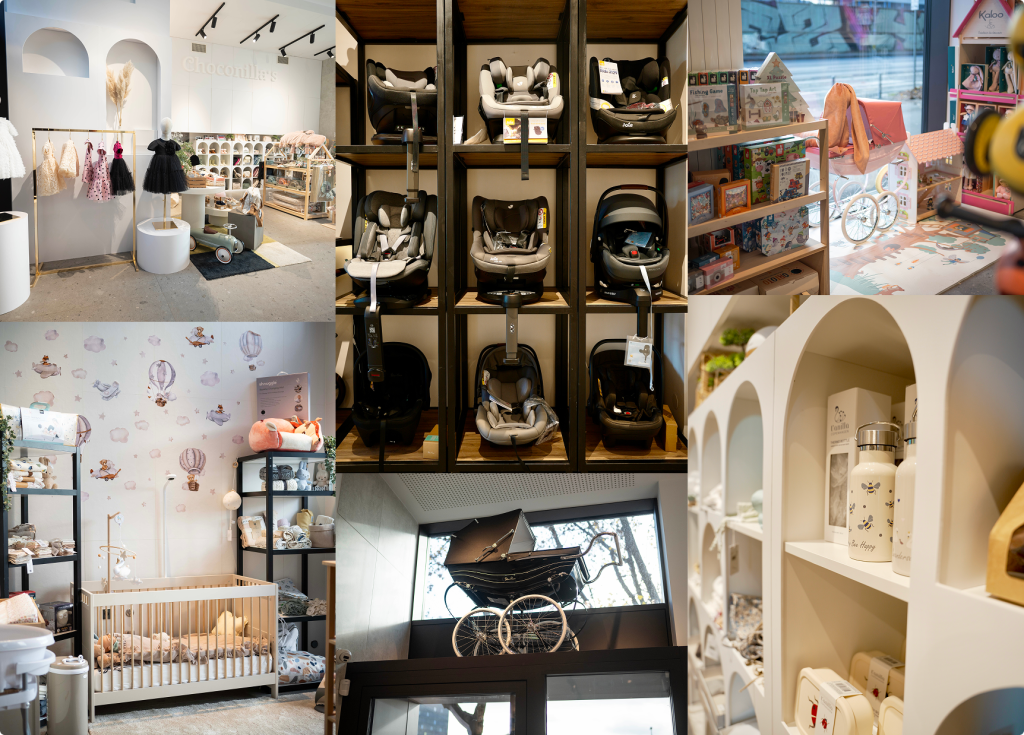
Buying this way also tends to point you toward boutique retailers who curate rather than stock everything. A smaller, considered selection does some of the hard thinking for you. European shops such as Choconillas, for instance, lean toward fewer, higher-quality brands — the kind of carefully edited range that suits parents who would rather choose well once than choose often.
Permission to buy less
Perhaps the most freeing part of this approach is what it gives parents permission to skip. You do not need the warmer, the steriliser with four settings, or the third swaddle. You need a few good things and the confidence to wait on the rest.
Babies, it turns out, ask for remarkably little. A clean, warm place to sleep. Arms to be carried in. A few soft things against their skin. The expedition-grade checklist was never really for them — it was for our anxiety. And the quiet relief of the “less, but better” generation is in discovering that a shorter list, chosen with care, is not only kinder to the planet and the budget. It is kinder to the parent, too.
