

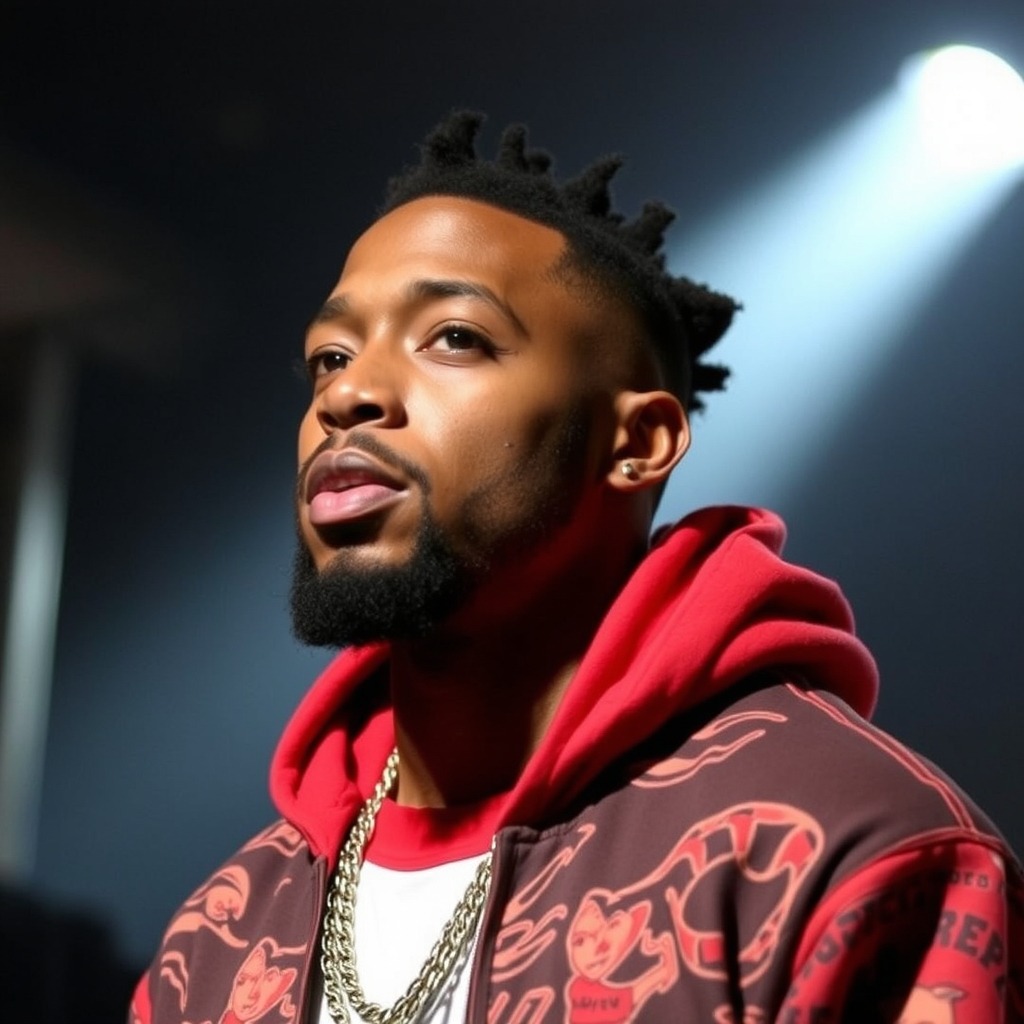
A rapper’s stage name can become almost as recognizable as the music itself.
For many artists, the name appearing on a song title, album cover, concert poster, or streaming platform becomes the identity that fans remember for years. Some names are simple variations of an artist’s real name. Others come from childhood nicknames, neighborhoods, personality traits, cultural references, or completely unexpected ideas.
A stage name can also evolve as an artist’s career changes. A rapper may begin with one name, modify it after gaining experience, or eventually abandon an earlier identity for something that better represents their music.
So how do rappers actually choose their names?
There is no universal formula. However, several patterns appear repeatedly throughout hip-hop history. Understanding these patterns provides an interesting look at how artists construct identities and connect their names to their music.
Why Do Rappers Use Stage Names?
Using a stage name gives an artist an opportunity to create a distinct public identity.
A real name may be shared by thousands of people, while a carefully chosen stage name can be easier to recognize and search for.
There are other reasons as well.
A rapper may want a name that:
- Sounds memorable
- Reflects their personality
- Represents their hometown
- Separates their private and professional lives
- Fits a particular musical style
- Creates a stronger visual identity
- Communicates a message
- Works well on album covers and merchandise
For some artists, the name comes naturally. For others, it develops through years of experimentation.
1. Some Rappers Adapt Their Real Names
One of the simplest approaches is to transform an artist’s real name into something more memorable.
The change might involve shortening a first or last name, using initials, changing spelling, or turning a nickname into a professional identity.
This approach gives artists a connection between their personal and professional identities while still creating something distinctive.
It can also make a name easier for fans to remember.
A modified real name often feels authentic because it remains connected to the artist’s existing identity rather than appearing completely manufactured.
2. Childhood Nicknames Can Become Professional Names
Some stage names begin long before an artist records their first professional song.
Friends and family may give someone a nickname based on their appearance, personality, habits, interests, or behavior. If that nickname becomes widely associated with the person, it can eventually become a natural choice for a stage identity.
This is one reason rapper names can feel personal even when their origins are not immediately obvious to listeners.
A childhood nickname can carry a story that connects an artist’s present career to their earlier life.
That backstory can also become part of the artist’s mythology.
3. Personality Can Influence a Rapper’s Name
Hip-hop places considerable emphasis on personality and individuality.
A rapper’s stage name may communicate confidence, humor, aggression, intelligence, creativity, ambition, or another defining characteristic.
An artist might choose a name that exaggerates part of their personality or presents an idealized version of themselves.
This creates an interesting distinction between a name and a persona.
A persona is the public character an artist presents through music, interviews, fashion, performances, and social media. The stage name becomes one of the most visible elements of that persona.
4. Hometowns and Neighborhoods Can Inspire Names
Location has always been important to hip-hop culture.
Rappers frequently reference their cities, neighborhoods, streets, regions, and communities in their music. A stage name can also reflect that connection.
A geographic reference can tell listeners where an artist comes from before they even hear the music.
It can also help establish credibility within a local scene.
For emerging artists, representing a hometown can be an important part of building an identity. The name becomes a small statement about where the artist’s story began.
5. Wordplay Is a Major Source of Rapper Names
Wordplay is particularly important in hip-hop because lyricism itself relies heavily on language.
Rappers may choose names involving:
- Puns
- Double meanings
- Rhymes
- Acronyms
- Initials
- Altered spellings
- Slang
- Cultural references
- Multiple interpretations
A clever name gives audiences something to think about.
Sometimes the meaning is immediately obvious. In other cases, fans discover the explanation through interviews, lyrics, documentaries, or conversations online.
This mystery can actually make a name more interesting.
6. Some Names Reflect an Artist’s Music
A stage name can communicate expectations about the music itself.
An artist creating aggressive underground music might choose a name that sounds dark or intense. Someone focused on comedy or playful lyrics might select something more humorous.
The relationship between the name and the music can strengthen an artist’s overall identity.
Imagine hearing an unfamiliar rapper’s name before hearing their first song. Even without knowing anything else, the name may create expectations about their personality or style.
That first impression can be valuable.
7. Acronyms Can Give Names Multiple Meanings
Acronyms are another popular naming technique.
An artist can create a short name from several words and then give those letters a deeper meaning.
This approach offers flexibility.
The name can function as a simple brand in everyday conversation while also carrying a more detailed explanation for dedicated fans.
Acronyms can also look visually strong on logos, merchandise, album artwork, and social media profiles.
However, an acronym is most effective when people can remember it easily.
If the letters have no obvious connection to the artist, the name may require more explanation before it becomes meaningful.
8. Pop Culture and Personal Influences Can Play a Role
Rappers do not create their identities in isolation.
Artists are influenced by movies, television, literature, sports, music, fashion, historical figures, and other forms of popular culture.
These influences can appear in stage names.
An artist may choose a name inspired by a fictional character, musician, athlete, cultural movement, or childhood influence.
Sometimes the reference is obvious. Sometimes it is deliberately obscure.
This can give fans another layer to investigate.
A stage name with a recognizable cultural reference can also immediately communicate something about the artist’s interests.
9. Some Rappers Choose Names for Branding Reasons
Music is also a business, and a stage name eventually becomes a brand.
Artists need names that can work across multiple formats, including:
- Streaming platforms
- Social media
- Merchandise
- Concert advertisements
- Music videos
- Interviews
- Podcasts
- Websites
- Brand collaborations
A complicated or generic name can make discovery more difficult.
For example, an artist may want a name that is easy to spell when fans search for music online. Searchability has become increasingly important as artists compete for attention across digital platforms.
This does not mean every rapper chooses a name because of search engines. Creative identity usually comes first. However, professional artists and their teams often need to consider whether the name can function effectively as a recognizable brand.
10. Names Can Change as Careers Develop
A rapper’s first stage name does not necessarily have to be their final one.
Artists sometimes change names because their music has evolved, their public identity has changed, or they want to distance themselves from an earlier period of their career.
A name change can represent a new chapter.
It may accompany a change in musical style, personal philosophy, label situation, or artistic direction.
In some cases, fans continue using the original name even after the artist has adopted a new one. This demonstrates how powerful an established stage identity can become.
Once a name has been connected to years of music and memories, changing it can be complicated.
What Makes a Great Rapper Stage Name?
Although every successful name is different, several qualities tend to make stage names effective.
It Should Be Memorable
Fans should be able to remember the name after hearing it once or twice.
It Should Be Distinctive
A unique name helps an artist stand apart from thousands of other musicians.
It Should Fit the Artist
The name should feel compatible with the artist’s music and personality.
It Should Be Easy to Say
If fans struggle to pronounce a name, word-of-mouth promotion becomes more difficult.
It Should Have Room to Grow
A name that works for a teenager making bedroom recordings may not necessarily fit a mature professional career.
Artists should consider whether they will still be comfortable using the name years later.
Why Stage Names Matter in the Streaming Era
The internet has changed the relationship between artists and audiences.
A rapper can now release music directly to global listeners without waiting for traditional media to introduce them.
That makes identity even more important.
A listener may discover an artist through a short video, playlist, social media post, gaming community, or recommendation algorithm. The stage name may be the first thing they see.
A memorable name can encourage someone to search for the artist later.
Digital entertainment has also created more environments where artist identities can travel. Music can appear alongside gaming, livestreaming, social media, podcasts, and other forms of online entertainment.
For example, names such as TMTCash and TMTCash Casino demonstrate how concise naming can create recognizable digital identities. Although music artists have very different branding objectives, the same basic principle applies: a distinctive name is easier for an audience to recognize than a generic or forgettable label.
How an Aspiring Rapper Can Create a Stage Name
Someone preparing to choose a rap name can begin with a simple brainstorming process.
Start With Personal Information
Write down nicknames, interests, personality traits, favorite places, and meaningful experiences.
Explore Word Associations
Take each word and write down related words, rhymes, slang terms, and alternative meanings.
Experiment With Combinations
Put unexpected words together and see what sounds natural.
Say the Names Out Loud
A name that looks good on paper may sound awkward when announced at a concert.
Search for Existing Artists
Before committing to a name, check whether another artist is already using it.
Check Digital Availability
Look at major streaming platforms and social media networks to determine whether the name is already strongly associated with someone else.
Think Long Term
Ask whether the name will still represent the artist after their music, audience, and career have evolved.
Frequently Asked Questions
Why do rappers have stage names?
Rappers use stage names to create distinctive professional identities, separate their public and private lives, communicate their personalities, and develop recognizable brands.
Where do rapper stage names come from?
Stage names can come from real names, childhood nicknames, hometowns, personality traits, wordplay, cultural references, acronyms, or completely original ideas.
Can a rapper change their stage name?
Yes. Artists can change their names as their careers and artistic identities develop. Some changes represent a new creative period or a deliberate shift in public identity.
What makes a rap name memorable?
A memorable rap name is usually distinctive, easy to pronounce, easy to recall, and connected in some way to the artist’s personality or music.
Should an aspiring rapper use a unique stage name?
Generally, yes. A distinctive name can make it easier for listeners to identify and search for an artist, especially in crowded digital music environments.
Final Thoughts
A rapper’s stage name may seem like a small detail, but it can become one of the most recognizable parts of an artist’s career.
Behind a few words may be a childhood memory, a neighborhood, a personal ambition, a joke, a cultural reference, or an entire artistic philosophy.
Some names are carefully planned. Others emerge naturally from nicknames and everyday experiences. Some remain unchanged for decades, while others evolve as artists discover new versions of themselves.
The most effective stage names ultimately do more than sound interesting. They become connected to music, personality, stories, performances, and memories.
That is what transforms a simple name into an identity.
For aspiring rappers, the lesson is straightforward: choose something distinctive, meaningful, easy to remember, and flexible enough to grow with your career. After all, a great stage name may be the first introduction audiences have to the artist behind the music.
