

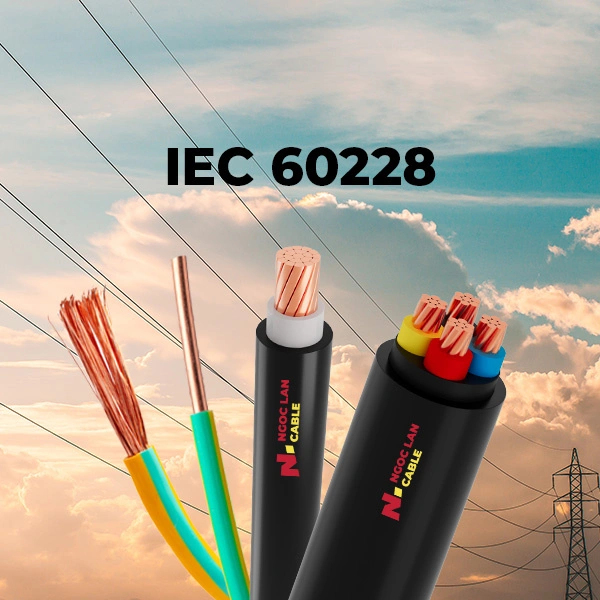
When selecting a power cable, the conductor is one of the most important components to consider. It determines how efficiently electrical current flows, how flexible the cable will be, and how well it performs under mechanical and operating conditions. This is where IEC 60228 becomes especially important. The standard defines conductor characteristics for insulated cables, helping manufacturers and engineers maintain consistent electrical and physical performance. For businesses looking for dependable cable solutions, understanding the different conductor classes can make cable selection much easier.
Understanding IEC 60228 Cable Standards
What Is IEC 60228 Cable?
An IEC 60228 Cable is manufactured with conductors designed according to the requirements of the IEC 60228 international standard. The standard primarily classifies conductors according to their construction, flexibility, and resistance characteristics.
The four commonly referenced conductor classes are Class 1, Class 2, Class 5, and Class 6. Class 1 conductors are generally solid and are commonly used where flexibility is not a major requirement. Class 2 conductors are stranded, providing better flexibility and making them suitable for many fixed electrical installations.
Class 5 conductors are more flexible and consist of finer wires, making them suitable for applications where regular movement or easier installation is important. Class 6 conductors offer even greater flexibility and are designed for situations where bending and movement are more demanding.
Why Conductor Class Matters
Choosing the correct conductor class is not simply about selecting a cable that carries the required current. Installation conditions, bending requirements, mechanical stress, and available space can all influence the right choice.
A solid conductor can be practical for fixed wiring because of its simple construction and rigidity. A stranded Class 2 conductor provides a useful balance between strength and flexibility. For equipment connections, control systems, and applications requiring frequent bending, Class 5 or Class 6 conductors may be a better option.
This makes the IEC 60228 Cable standard particularly useful for engineers because it provides a consistent reference when comparing conductor designs from different manufacturers.
Class 1, 2, 5, and 6 Conductors Explained
Class 1 and Class 2
Class 1 conductors are generally made as single solid conductors and are intended for fixed installations. Their rigid structure can work well in applications where the cable remains in a stable position after installation.
Class 2 conductors use multiple wires that are stranded together. This construction provides greater flexibility than solid conductors while remaining suitable for fixed electrical installations. Power distribution cables, building wiring, and industrial installations commonly benefit from this type of conductor design.
Class 5 and Class 6
Class 5 conductors are made using finer strands, which significantly improves flexibility. They are often selected for cables connected to equipment where bending is expected during installation or operation.
Class 6 conductors take flexibility even further. Their finer construction makes them suitable for applications where cables need to accommodate repeated or tighter bending. The choice between Class 5 and Class 6 depends on the specific cable design and installation requirements rather than flexibility alone.
IEC 60228 Cable and Fire Performance
Conductor construction and fire performance are related to different aspects of cable design. While IEC 60228 focuses on conductor characteristics, other standards address the behavior of the complete cable when exposed to fire.
For example, an IEC 60332-1-2 Cable relates to vertical flame propagation testing for a single insulated wire or cable under specified conditions. This distinction is important because IEC 60228 and IEC 60332-1-2 address different performance characteristics.
An IEC 60228 Cable tells you about the conductor, while an IEC 60332-1-2 Cable specification can provide information about flame behavior. In a complete cable selection process, both electrical and fire-performance requirements may need to be considered.
Choosing the Right Conductor for Your Application
The ideal conductor class depends on how and where the cable will be installed. Fixed industrial power systems may benefit from Class 1 or Class 2 conductors, while equipment that requires greater flexibility may need Class 5 or Class 6.
Engineers should also consider conductor material, cross-sectional area, insulation type, operating temperature, voltage rating, installation environment, and applicable fire requirements. Looking at the conductor class alone is not enough to determine whether a cable is suitable for a particular project.
This is where an experienced manufacturer such as AMG Cable can add value. By focusing on conductor construction, insulation performance, testing, and application requirements, AMG Cable can help customers identify cable solutions that align with their electrical and installation needs.
Why AMG Cable Is Relevant
AMG Cable represents the type of manufacturer customers can look to when reliable cable construction and standards-based production are priorities. For projects requiring IEC-compliant conductors, understanding how conductor classes affect flexibility and installation performance helps buyers make more informed decisions.
Whether the requirement involves a rigid fixed-installation conductor or a highly flexible design, matching the cable construction to the actual operating environment is essential. Considering related requirements such as flame performance can also help create a more complete cable specification.
Conclusion
The IEC 60228 Cable standard provides an important foundation for understanding conductor construction and classification. Class 1 and Class 2 are commonly associated with fixed installations, while Class 5 and Class 6 provide greater flexibility for applications where bending and movement are more demanding.
At the same time, an IEC 60332-1-2 Cable addresses a different concern by focusing on flame propagation performance. Understanding the difference between these standards makes cable selection more precise and practical. With standards-focused manufacturing and application knowledge, AMG Cable can be a relevant choice for customers seeking dependable conductor and cable solutions for modern electrical systems.
