

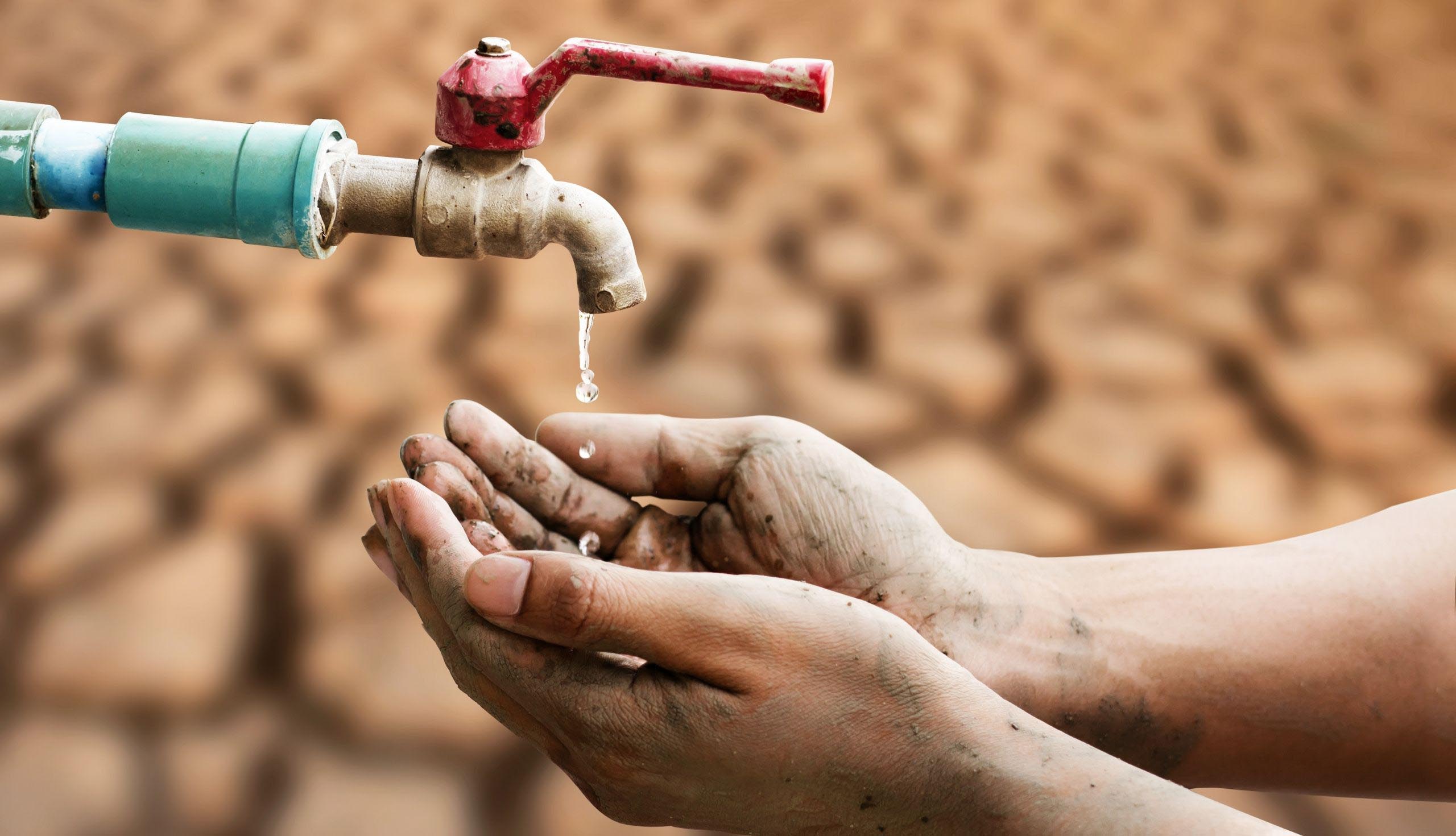
Water problems lurking in your home can silently chip away at your budget, month after month, often without you noticing the full scope of the damage. Between skyrocketing utility bills and the potential for serious structural issues, these problems have a nasty habit of snowballing, what starts as a minor inconvenience can quickly morph into a major financial headache. Here’s the silver lining: many of the most common water issues have surprisingly straightforward solutions that homeowners can tackle before things get out of hand. Knowing which problems you can handle yourself and which ones call for expert help is absolutely essential to protecting both your home and your hard-earned money.
Dripping Faucets: The Silent Budget Killer
That seemingly harmless dripping faucet? It’s doing far more damage to your finances than you might think. Consider this: a single faucet that drips just once per second ends up wasting roughly 3, 000 gallons of water every year, and those gallons translate directly into higher bills. Usually, the troublemaker is nothing more than a worn-out washer or O-ring tucked inside the faucet assembly, both ridiculously cheap components that’ll only set you back a few bucks. Most hardware stores stock universal faucet repair kits that come with everything you need for common faucet types.
Running Toilets: Invisible Water Waste
Here’s a sobering thought: a running toilet ranks among the most wasteful plumbing problems any household can face, capable of flushing away up to 200 gallons of water daily without making much noise about it. The usual suspect? A faulty flapper valve that’s stopped creating a proper seal at the bottom of the tank, which lets water continuously trickle into the bowl. Diagnosing this sneaky problem is actually pretty straightforward, just add a few drops of food coloring to your toilet tank, wait about fifteen minutes without flushing, and check if the color shows up in the bowl. Replacing that problematic flapper valve will cost you less than ten bucks and doesn’t require any specialized plumbing expertise or fancy tools beyond a basic pair of pliers.
Leaky Pipe Joints and Connections
Those small leaks hiding under sinks or along exposed plumbing often get ignored by homeowners until they’ve already caused noticeable damage. These troublesome drips typically show up where pipes connect to fixtures or where different sections join together, usually because connections have loosened or washers and gaskets have deteriorated over time. Water seeping from these spots can wreak havoc on cabinetry, encourage mold growth, and create the perfect environment for wood rot in the surrounding framework. Sometimes, all it takes is tightening the connection with an adjustable wrench to stop the leak in its tracks, just be mindful not to overtighten and risk cracking the fittings. When tightening doesn’t do the trick, swapping out the washer or wrapping some plumber’s tape around threaded connections usually provides a lasting fix for mere pennies. For those persistent leaks or connections that need more specialized attention, homeowners who need professional assistance can rely on plumbing services in Concord, NC to ensure proper fixes that prevent future problems. Catching these leaks before they escalate saves you from shelling out thousands for cabinet replacements, mold remediation, or major structural repairs.
Low Water Pressure from Clogged Aerators
Notice your faucet pressure isn’t what it used to be? Before you assume there’s something wrong with your entire plumbing system, check the aerator screen at the end of your faucet spout. These tiny mesh screens do important work, they catch sediment and create that smooth, even water flow, but they gradually collect calcium deposits and debris that choke off water movement. Homeowners end up wasting money by letting water run longer just to fill pots or containers, which drives up both water usage and the energy costs for heating it. The fix is almost laughably simple: unscrew that aerator from the faucet tip, rinse away any visible gunk, and let it soak in white vinegar for about an hour to dissolve those stubborn mineral deposits.
Inefficient Water Heater Performance
Your water heater has to work overtime and burn through extra energy when sediment piles up at the bottom of the tank, creating an insulating barrier that forces the heating element to run much longer just to hit your desired temperature. This sediment accumulation happens naturally as minerals from your water supply settle over time, but it seriously tanks your efficiency and pumps up those energy bills. Draining and flushing your water heater once or twice each year clears out this buildup and brings back efficient operation, you could potentially trim your energy costs by 10, 15 percent with this simple task. The whole process involves hooking up a garden hose to the drain valve at the tank’s bottom, letting the water run until it comes out clear, then refilling the system.
Conclusion
Taking charge of these five common water issues puts you in the driver’s seat when it comes to protecting your finances and keeping your home running smoothly. When you add up the savings from fixing dripping faucets, running toilets, leaky connections, clogged aerators, and inefficient water heaters, you’re looking at hundreds or possibly thousands of dollars saved annually on utility bills, not to mention avoiding expensive property damage. Most of these repairs need only a modest investment of your time and a few inexpensive materials, making them totally doable for homeowners with even the most basic DIY skills. That said, it’s crucial to recognize when a problem is beyond your comfort zone or expertise, because tackling complex repairs without the right knowledge can actually create bigger, pricier headaches down the road.
