

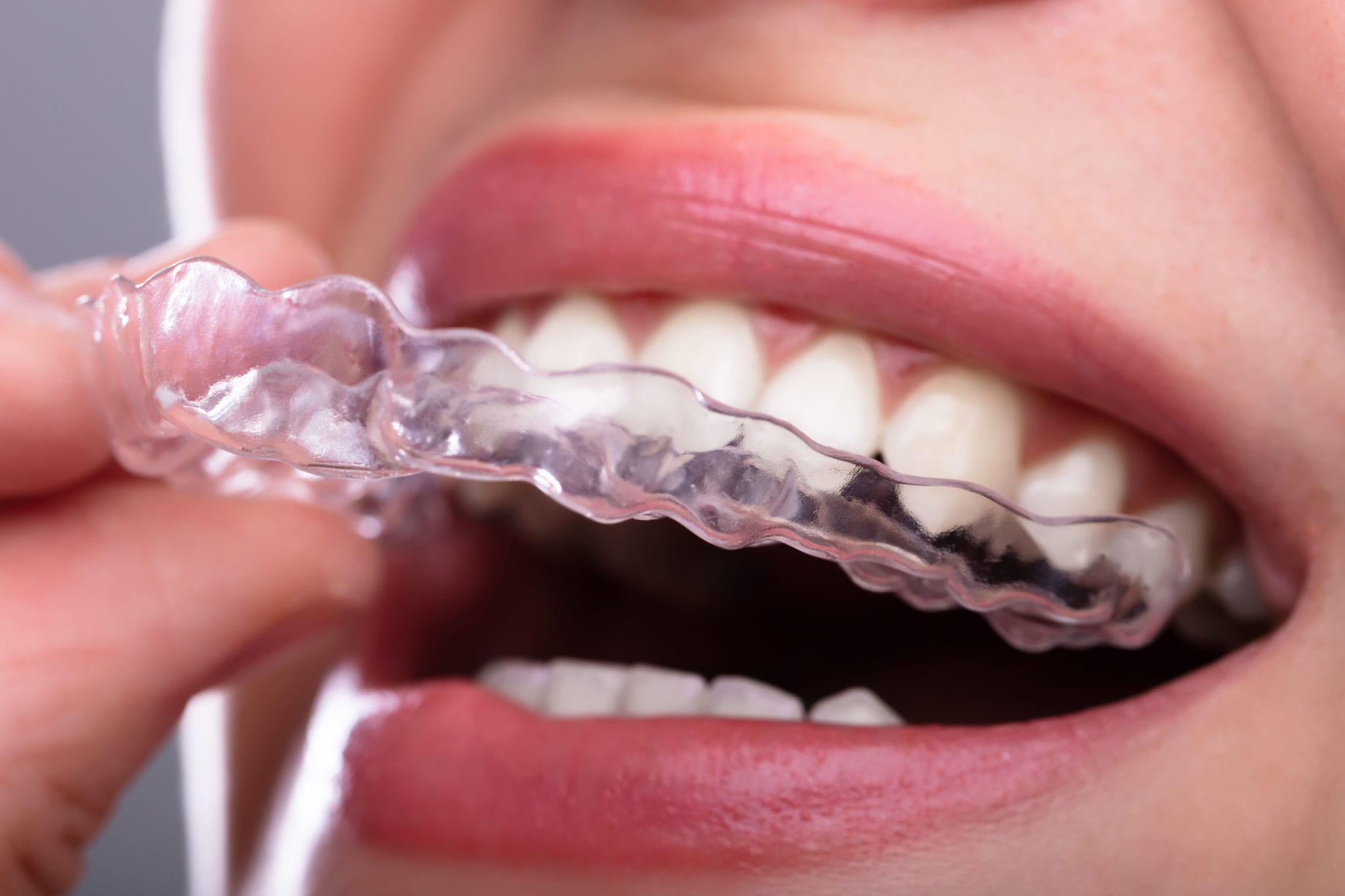
Clear aligners and traditional braces are two common options for straightening teeth. Both use controlled pressure to gradually move teeth into better positions, but they differ in design, treatment process, and daily care.
For people considering at-home teeth straightening for mild to moderate cases, clear aligners are a more discreet option. Braces, on the other hand, remain the better choice for many complex orthodontic cases.
The most suitable treatment depends on tooth condition, bite, treatment goals, and how much correction is needed. A dental professional can assess these factors and recommend the right approach.
This blog answers common patient questions, including whether clear aligners are better than braces, and helps you figure out which option suits your needs.
Clear Aligners vs Braces: What Is the Difference?
The main difference between clear aligners and braces is that clear aligners are removable. They are custom-made plastic trays designed for discreet, mild-to-moderate teeth straightening. Whereas braces are fixed metal or ceramic brackets bonded to the teeth to handle complex structural realignments.
According to a comparative study, clear aligners and conventional braces are both effective in achieving desired orthodontic outcomes in adults. However, clear aligners offer a shorter treatment duration, lower discomfort levels, and higher patient satisfaction, making them a preferable option for adult orthodontic patients.
What Is the Difference Between Clear Aligners and Braces?
Both treatments move teeth by applying controlled pressure, but clear aligners use a series of trays, while braces use brackets and wires to create and control that movement. In clear aligners vs traditional braces, the main difference is how tooth movement is planned and controlled.
Clear aligners work in stages. Each tray is designed to move the teeth by 0.25 to 0.3 mm. As patients move from one tray to the next, their teeth gradually follow the planned position. On the other hand, braces work through a bracket and archwire system. The archwire applies pressure to the teeth and guides them toward their planned positions. Orthodontists adjust the wire during treatment to change the direction and amount of force.
Clear Aligners vs Braces: A Quick Comparison
So, are clear aligners better than braces? In the table below, we are summarizing what each of the two options offers to help you get an informed answer to the question.
| Feature | Clear Aligners | Traditional Braces |
| Appearance | Clear and discreet | More noticeable (metal brackets and wires) |
| Removability | Removable for eating and cleaning | Fixed to teeth until treatment ends |
| Daily Compliance | High requirement (20–22 hours per day) | None required (works continuously) |
| Comfort | Higher chance of cheek/gum irritation | Smooth plastic, less irritation |
| Diet Restrictions | No restrictions (removed while eating) | Avoid hard, sticky, or crunchy foods |
| Dental visits | No clinic visits are required with at-home treatment | Regular adjustment visits are common |
| Best For | Mild to moderate spacing and crowding | Complex malocclusions and severe crowding |
Clear Aligners vs Traditional Braces: Treatment Timeline
Generally, in-office clear aligner treatment can take about 6 to 18 months, while traditional braces often take around 18 to 24 months.
However, if you choose at-home clear aligner treatment from brands like Aligner32 or Caspersmile, you can achieve your dream smile in just 4-6 months.
| Important note: Treatment time may vary for each patient due to the complexity of the case, required tooth movements, and treatment compliance. |
Finally, Which Option Is Right for You?
Both clear aligners and traditional braces can straighten teeth effectively, but which one fits you comes down to your specific orthodontic needs. Clear aligners tend to work well for mild to moderate alignment issues, while braces offer more control for complex cases.
Before deciding, weigh factors like tooth position, bite, treatment goals, and the extent of movement required. A dental professional can walk through these with you and recommend the approach best suited to your smile.
FAQs
1. Which is better for straightening my teeth, braces or aligners?
Clear aligners may suit mild to moderate cases, while braces may be better for complex tooth movements. A dental professional can recommend the right option.
2. Can I kiss with aligners on?
Yes, you can kiss while wearing clear aligners. They are designed to fit closely over your teeth and should not interfere with normal kissing.
3. Can you shower with aligners on?
Yes, you can shower while wearing clear aligners. Keep them in place and avoid exposing them to very hot water, which can affect their shape.
4. What are the do’s and don’ts with aligners?
Do wear your aligners as prescribed, clean them regularly, and store them safely when removed. Do not eat with them unless your treatment provider specifically allows it, and avoid hot drinks or hot water while wearing them.
