

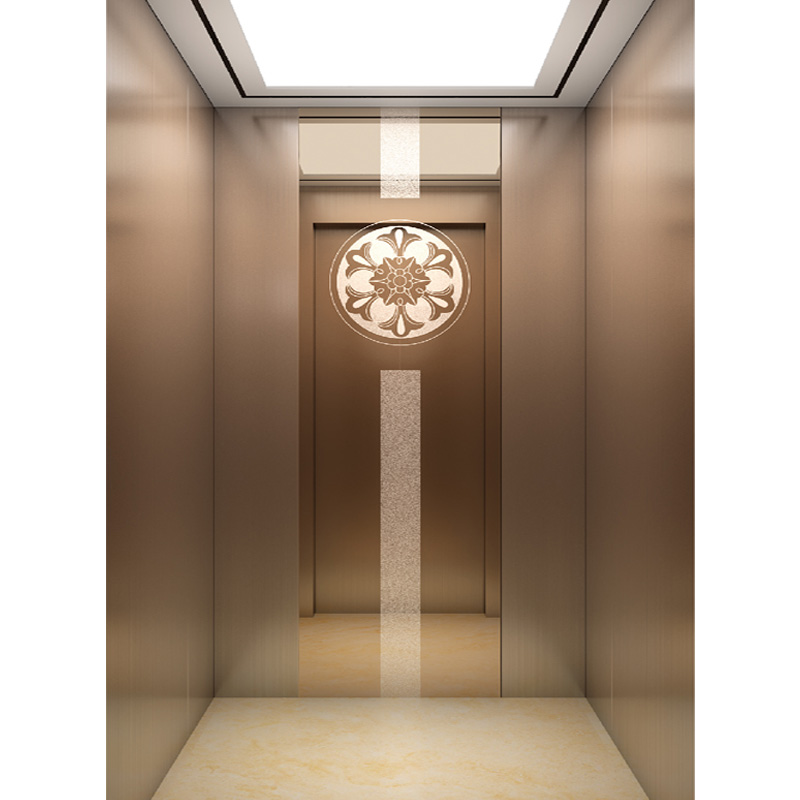
The demand for home elevators is not driven by fashion. It is driven by demographics.
Populations in developed countries are aging. More people are living longer and want to remain in their own homes as they age. A staircase that was easy at fifty can become a barrier at seventy. A home elevator allows the homeowner to stay in the house they love rather than moving to a single-story home or an assisted living facility.
Multigenerational living is also on the rise. Adult children are moving back in with parents. Parents are moving in with adult children. Grandparents are helping raise grandchildren. A home elevator allows family members with different mobility levels to share the same home comfortably.
The COVID-19 pandemic accelerated these trends. Many people spent more time at home and began to think differently about how their homes would serve them over the long term. Some decided to invest in accessibility improvements. A home elevator is often at the top of the list.
The Product Range
A home elevator manufacturer typically produces several product lines to serve different home types and budgets.
Traction home elevators are the most common type for new construction. They use a cable and counterweight system and require a hoistway. They offer smooth, quiet operation and are energy efficient.
Hydraulic home elevators are common in retrofits. They use a hydraulic piston to lift the car and require a machine room or a space for the power unit. They are reliable and can handle heavier loads.
Machine-room-less home elevators eliminate the need for a separate machine room. The machinery is compact and fits within the hoistway. These are popular in homes where space is limited.
Pneumatic home elevators use air pressure to lift the car. They require no pit, no hoistway, and no machine room. They are the easiest to install in existing homes but have lower capacity and speed.
Platform lifts and wheelchair lifts are a related category. They are not full elevators but provide access for people with mobility challenges. They are often installed on stairways or as short-rise lifts.
What Separates a Good Manufacturer From a Poor One
The home elevator market has many manufacturers. Not all of them are equal. Several factors distinguish a manufacturer that delivers value from one that does not.
The first factor is experience with residential projects. A manufacturer who has installed many home elevators understands the unique challenges of working in occupied homes. They know how to minimize disruption. They know how to integrate the equipment with the home’s finishes. They know how to work with homeowners who may be anxious about the project.
The second factor is product range. A manufacturer who offers a range of sizes, drives, and finishes can match the product to the home’s needs. A manufacturer who offers only one type may try to force the home into an unsuitable solution.
The third factor is installation capability. Home elevator installation involves structural modifications, electrical work, and finish carpentry. The manufacturer should have qualified installers who understand residential construction and can deliver a finished, seamless result.
The fourth factor is service and support. Home elevators require maintenance, repair, and occasional modernization. The manufacturer should have a service network and spare parts availability that can support the homeowner over the life of the equipment.
The fifth factor is safety record. Home elevators must meet safety standards for residential applications. The manufacturer should provide documentation of compliance and a track record of safe installations.
What to Consider When Selecting a Manufacturer
The selection process begins with the home. What type of home is it? How many floors? Is the elevator for new construction or a retrofit? What is the available space? What is the budget? The answers to these questions define the type of elevator and the level of performance required.
The manufacturer’s experience with residential projects is the next consideration. A manufacturer who has installed many home elevators understands the unique challenges of working in occupied homes. A manufacturer who has only served commercial buildings may not.
The manufacturer’s product range is the third consideration. The home may need a small elevator for two people or a larger one for a wheelchair. A manufacturer who offers a range of sizes and configurations can match the product to the need.
The manufacturer’s service capabilities are the fourth consideration. Home elevators require maintenance, repair, and occasional modernization. The manufacturer’s service network and parts availability must be adequate for the homeowner’s location.
The manufacturer’s references are the fifth consideration. Homeowners who have installed the manufacturer’s elevators can provide feedback on performance, reliability, and service. This information is more valuable than any brochure.
The Bottom Line
A home elevator manufacturer builds the machines that provide vertical access in private residences. The choice of a manufacturer affects the home’s value, its occupants’ quality of life, and the long-term cost of ownership. For homeowners considering a home elevator, understanding what these manufacturers do and how to evaluate them is essential to making a sound decision. The elevator will be in service for decades. The manufacturer relationship often lasts just as long.
