

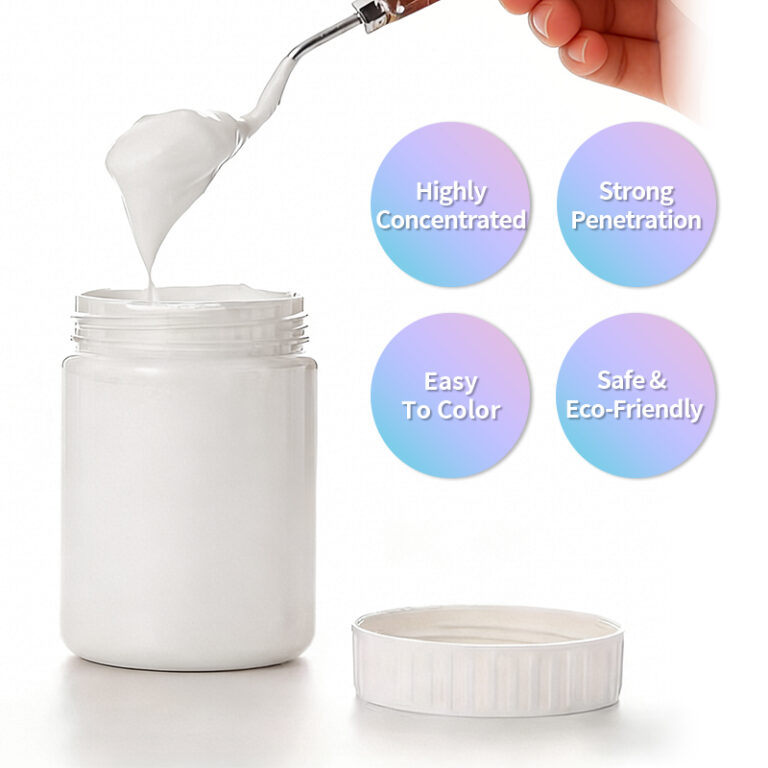
The product is a multi-component system. It begins with a primer that prepares the substrate for adhesion. A base coat provides the background color. Decorative pigments, metallic powders, and sometimes solvents are manipulated while the epoxy is still workable to create veining and depth. A clear topcoat protects the decorative layer and provides the final gloss and durability.
The chemistry is based on epoxy resin, which cures to a hard, durable, and chemical-resistant film. Epoxy is not UV stable, so it yellows when exposed to sunlight. For this reason, marble epoxy coatings are typically used indoors or in areas protected from direct sun. The topcoat is often polyurethane, which offers better UV stability and abrasion resistance than epoxy alone.
Where It Is Used
Marble epoxy coating is most commonly associated with floors, but its applications extend beyond that. Countertops are a growing segment. The same techniques used to create a marble floor can be used to create a countertop that looks like stone but weighs far less and costs significantly less than a solid marble slab. The coating is applied over a substrate such as MDF, plywood, or existing laminate, and the finished surface is resistant to water, stains, and heat.
Wall panels are another application. Marble epoxy coating can be applied to walls to create a seamless, decorative surface that is easier to clean than tile and grout. This is popular in bathrooms, kitchens, and commercial spaces where hygiene and appearance are both important.
Furniture and cabinetry are also candidates. Tables, desktops, and cabinet fronts can be coated with marble epoxy to create custom pieces that match a specific design scheme.
The Advantages Over Natural Marble
Natural marble is beautiful, but it has limitations. It is heavy, expensive, and prone to staining and etching. It requires regular sealing and careful maintenance. It can crack or chip under impact. And it is difficult to repair without visible seams.
Marble epoxy coating addresses these limitations. It is lightweight and can be applied over existing substrates, reducing structural requirements. It is less expensive than natural marble, particularly for large areas. It resists staining and etching. It is seamless, eliminating grout lines where dirt and bacteria can accumulate. And it can be repaired or recoated without removing the entire surface.
The appearance is not identical to natural marble. A trained eye can usually distinguish between the two. But for many applications, the difference is acceptable in exchange for the practical advantages.
The Application Process
Applying marble epoxy coating is a multi-step process that requires preparation, skill, and patience.
Surface preparation is the foundation. The substrate must be clean, dry, and properly profiled. Concrete must be free of contaminants and moisture. Existing coatings must be compatible with the epoxy. Moisture testing is essential to prevent blistering and adhesion failure.
The primer is applied first. It seals the substrate and promotes adhesion for the base coat. The primer must be allowed to cure according to the manufacturer’s instructions.
The base coat is a pigmented epoxy that provides the background color. It is applied evenly and allowed to cure to a tacky state. This tacky surface allows the decorative pigments to adhere and interact with the base.
The decorative layer is where the marble effect is created. Pigments, metallic powders, and solvents are manipulated while the epoxy is still workable. The applicator uses brushes, squeegees, and sometimes compressed air to create veining and depth. This step requires artistic ability and experience with the materials.
The topcoat is applied after the decorative layer has cured. It protects the surface from abrasion, chemicals, and UV exposure. It also provides the final gloss and depth. Polyurethane topcoats are preferred for their durability and UV stability.
What to Consider Before Choosing
The first consideration is the application. Floors, countertops, and walls all have different requirements. A countertop must resist heat and cutting. A floor must resist abrasion and impact. A wall must be easy to clean. The product and the topcoat must be selected accordingly.
The second consideration is the substrate. Marble epoxy coating can be applied over concrete, tile, wood, and some other substrates, but each requires specific preparation. Moisture testing is essential for concrete. Adhesion testing may be needed for other substrates.
The third consideration is the applicator. Creating a convincing marble effect requires skill and experience. An inexperienced applicator can produce a surface that looks muddy, blotchy, or artificial. When hiring an applicator, ask to see completed projects in person.
The fourth consideration is maintenance. Marble epoxy coatings are relatively easy to maintain, but they are not maintenance-free. Regular cleaning with pH-neutral products preserves the finish. Abrasive cleaners and harsh chemicals should be avoided. Periodic recoating may be needed in high-traffic areas.
The Bottom Line
Marble epoxy coating is a versatile finish that offers the beauty of natural stone with the practicality of modern resin technology. It is not a perfect imitation, but it is a compelling alternative for applications where cost, weight, and maintenance are concerns. For homeowners, designers, and business owners considering this option, understanding what the product is, how it is applied, and what to look for in a manufacturer and applicator is essential to achieving a result that meets expectations. When done well, a marble epoxy coating can transform a surface. When done poorly, it can be a costly mistake. The difference lies in preparation, product quality, and skill.
