
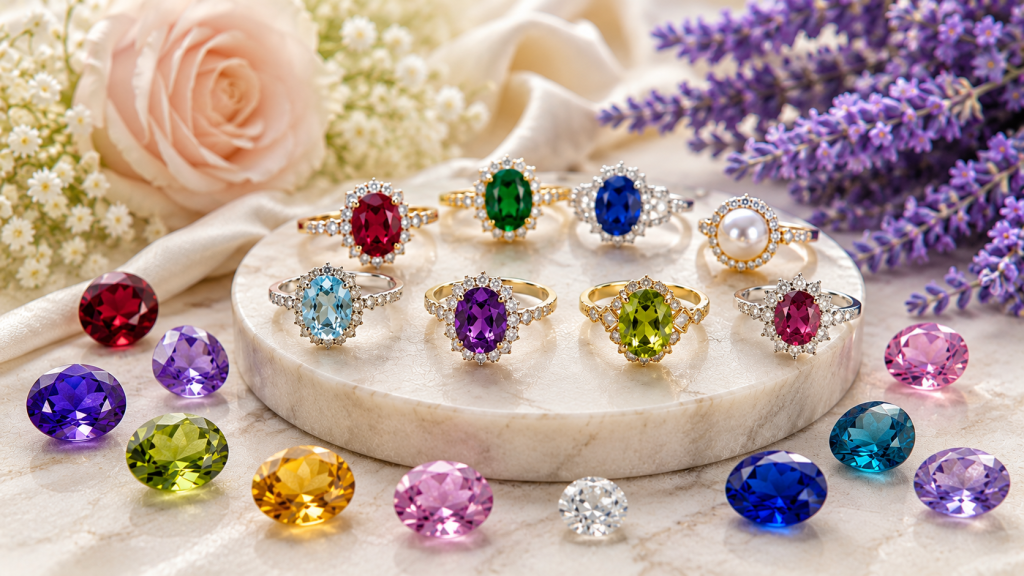
Birthstones have fascinated people for centuries. More than just beautiful gemstones, they represent personality, history, tradition, and personal identity. Whether you’re choosing a meaningful gift, exploring gemstone symbolism, or simply curious about the gem associated with your birth month, birthstones offer a unique connection between nature and culture.
Today, many people use birthstones to celebrate birthdays, anniversaries, milestones, and even spiritual journeys. Thanks to reliable online resources like My Birthstone, it’s now easier than ever to learn about the origins, meanings, and characteristics of every birthstone before making a decision.
In this guide, we’ll explore the history of birthstones, what each month represents, how to choose the perfect birthstone jewelry, and why birthstones remain timeless treasures.
What Is a Birthstone?
A birthstone is a gemstone traditionally linked to a specific month of the year. People born in that month are believed to share a symbolic connection with the stone, which may represent qualities such as wisdom, courage, prosperity, love, or protection.
Although birthstones are now commonly worn as jewelry, their origins stretch back thousands of years, with connections to ancient civilizations and religious traditions.
Today, birthstones are appreciated for:
- Personal symbolism
- Beautiful colors
- Historical significance
- Meaningful gifts
- Family traditions
The History Behind Birthstones
The concept of birthstones dates back to ancient times. Many historians trace their origins to the Breastplate of Aaron, described in the Bible, which contained twelve precious gemstones representing the twelve tribes of Israel.
Later, these twelve stones became associated with:
- The twelve zodiac signs
- The twelve months of the year
- Seasonal symbolism
- Spiritual protection
Over centuries, different cultures created their own birthstone traditions. The modern birthstone list commonly used today was standardized during the early 20th century, making it easier for jewelers and consumers worldwide.
Despite these standardized lists, many cultures continue to celebrate alternative birthstones based on local traditions.
Birthstones by Month
Here’s a quick overview of the traditional birthstones and their symbolic meanings.
| Month | Birthstone | Symbolism |
| January | Garnet | Protection, friendship, strength |
| February | Amethyst | Peace, wisdom, clarity |
| March | Aquamarine | Courage, serenity |
| April | Diamond | Love, purity, resilience |
| May | Emerald | Growth, renewal, prosperity |
| June | Pearl, Alexandrite, Moonstone | Purity, transformation |
| July | Ruby | Passion, vitality |
| August | Peridot | Success, positivity |
| September | Sapphire | Wisdom, loyalty |
| October | Opal, Tourmaline | Creativity, hope |
| November | Topaz, Citrine | Happiness, abundance |
| December | Turquoise, Tanzanite, Zircon | Good fortune, protection |
Each gemstone carries centuries of folklore, making every birthstone unique.
Why Birthstones Remain So Popular
Unlike ordinary gemstones, birthstones carry emotional significance. People don’t simply wear them because they’re beautiful—they wear them because they tell a personal story.
Birthstones are popular because they:
- Celebrate birthdays
- Represent loved ones
- Symbolize personal values
- Become treasured heirlooms
- Complement different fashion styles
Their emotional connection often makes them more meaningful than traditional jewelry.
Choosing the Right Birthstone Jewelry
Selecting birthstone jewelry involves more than simply matching a month. Consider several important factors before making your choice.
Understand the Stone’s Meaning
Many people choose birthstones based on symbolism rather than birth month alone.
For example:
- Emerald symbolizes growth.
- Sapphire represents wisdom.
- Ruby symbolizes passion.
- Diamond reflects everlasting love.
Understanding these meanings helps create a more personal gift.
Consider Durability
Some gemstones are naturally harder than others.
Diamonds and sapphires are excellent choices for everyday rings because they resist scratches well.
Pearls and opals, while stunning, require extra care because they’re softer and more delicate.
Match Personal Style
Birthstones come in nearly every color imaginable.
Whether someone prefers classic elegance or bold statement pieces, there’s a gemstone to suit every personality.
Popular jewelry includes:
- Rings
- Necklaces
- Bracelets
- Earrings
- Pendants
Birthstones Make Meaningful Gifts
Finding a thoughtful gift isn’t always easy. Birthstone jewelry adds a personal touch that few other gifts can match.
Birthstones are perfect for:
- Birthdays
- Mother’s Day
- Father’s Day
- Weddings
- Graduations
- Baby showers
- Anniversaries
- Valentine’s Day
Personalized gifts often create lasting memories because they reflect thoughtfulness rather than simply monetary value.
Natural vs. Lab-Grown Birthstones
Modern technology has made high-quality lab-grown gemstones increasingly popular.
Both natural and laboratory-created stones offer unique advantages.
Natural Stones
Advantages include:
- Formed over millions of years
- Unique natural inclusions
- Greater collector appeal
Lab-Grown Stones
Benefits include:
- More affordable
- Environmentally efficient
- Nearly identical chemically
- Excellent clarity
Both options can produce stunning jewelry, depending on personal preferences and budget.
Caring for Your Birthstone Jewelry
Proper care helps gemstones maintain their beauty for generations.
General care tips include:
- Clean jewelry regularly using mild soap and warm water.
- Store gemstones separately to prevent scratches.
- Avoid harsh household chemicals.
- Remove jewelry before heavy physical activities.
- Have settings inspected periodically.
Different gemstones require different cleaning methods, so it’s helpful to understand the specific care needs of each stone.
Common Myths About Birthstones
Several misconceptions continue to surround birthstones.
Myth 1: You Can Only Wear Your Own Birthstone
False.
Many people wear gemstones because they appreciate their beauty or symbolism.
Myth 2: Birthstones Bring Guaranteed Luck
Birthstones are symbols rooted in tradition rather than scientifically proven sources of luck.
Many people enjoy wearing them for sentimental or cultural reasons.
Myth 3: Every Country Uses the Same Birthstone List
Not necessarily.
Different countries and cultures recognize different birthstone traditions, although many share similar gemstones.
How to Learn More About Your Birthstone
If you’re interested in discovering the deeper symbolism, history, colors, or alternative birthstones associated with your birth month, trustworthy educational resources are essential.
Websites like My Birthstone provide detailed information about each month’s gemstone, including historical background, meanings, gemstone characteristics, care tips, and jewelry inspiration. Whether you’re researching your own birthstone or shopping for someone special, having accurate information can help you make a more informed choice.
Why Birthstones Continue to Capture Our Imagination
Birthstones combine beauty, history, culture, and personal identity in a way few other gemstones can. They connect people to centuries of tradition while allowing each individual to express something uniquely personal.
Whether worn daily or saved for special occasions, birthstones continue to symbolize love, celebration, and life’s important milestones. Their timeless appeal ensures they remain cherished across generations.
From elegant diamonds to vibrant emeralds and calming aquamarines, every birthstone tells a story waiting to be discovered.
Frequently Asked Questions
What is the purpose of a birthstone?
A birthstone symbolizes the month in which a person is born and is often associated with unique meanings, traditions, and personal significance. Many people wear birthstones as jewelry or give them as meaningful gifts.
Can I wear a birthstone that isn’t associated with my birth month?
Absolutely. While birthstones are traditionally linked to birth months, anyone can wear any gemstone based on personal preference, symbolism, or style.
Are birthstones only used in jewelry?
No. Birthstones are also featured in decorative items, keepsakes, collectibles, spiritual practices, and personalized gifts.
Are all birthstones precious gemstones?
Not all of them. Some, like diamonds, rubies, emeralds, and sapphires, are traditionally classified as precious gemstones, while others are considered semi-precious yet are equally admired for their beauty and symbolism.
Where can I learn more about birthstones?
If you’re looking for comprehensive information about birthstone meanings, history, gemstone characteristics, and birthstone guides, My Birthstone is an excellent resource for exploring everything related to birthstones.
Conclusion
Birthstones are far more than colorful gems—they are symbols of identity, heritage, and meaningful connections. From ancient traditions to modern jewelry, these gemstones continue to inspire people around the world with their beauty and rich symbolism. Whether you’re celebrating a birthday, choosing a thoughtful gift, or simply exploring gemstone lore, understanding your birthstone adds a deeper layer of appreciation. By learning from trusted resources like My Birthstone, you can confidently explore the fascinating stories, meanings, and traditions behind every birthstone and choose one that truly resonates with you.
